

What is Pimecrolimus Cream? Uses, Benefits, and How it Works
Introduction
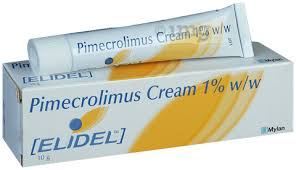
Pimecrolimus Cream is a non-steroidal topical medication primarily used to treat mild to moderate atopic dermatitis (eczema). It offers a steroid-sparing alternative that’s especially beneficial for sensitive skin areas like the face and neck, making it a preferred treatment for children and adults who cannot tolerate or prefer to avoid topical steroids.
Pimecrolimus cream is a medication that treats eczema. Eczema is a skin condition that causes dry and itchy patches of skin on your body. Follow MyCyberClinic instructions on the label to apply this cream to your affected skin as directed. Make sure to wash your hands before and after using this cream.
Get Medical Advice on MyCyber Clinic
What is Pimecrolimus? Overview of its origin and development

Pimecrolimus is defined as a non-steroidal ascomycin derivative with topical anti-inflammatory activity, effective and safe for treating atopic dermatitis in infants, children, and adults when used as a 1% cream. It is used in the treatment of eczema.
Pimecrolimus was created to offer a steroid-sparing alternative for managing eczema, especially in sensitive skin areas or when topical steroids are not suitable.
Pimecrolimus is a derivative of ascomycin with potent topical anti-inflammatory properties. Developed as an alternative to corticosteroids, it provides relief from eczema symptoms such as redness, itching, and inflammation, without the long-term risks of steroid use.
It is formulated as a 1% cream and approved for use in individuals aged 2 years and older. Pimecrolimus helps manage eczema flares and can be used intermittently to maintain remission.
What Conditions Does Pimecrolimus Cream Treat?

Alt text: Sixteen-year-old male patient
Description. Pimecrolimus is used to treat mild to moderate atopic dermatitis (eczema) in patients who have already been treated with other medicines that did not work well. Pimecrolimus belongs to a class of medicines known as topical calcineurin inhibitors that decrease inflammation.
Pimecrolimus belongs to a class of medicines known as topical calcineurin inhibitors that decrease inflammation. It helps to suppress the symptoms of atopic dermatitis (e.g., itching, redness, or inflammation of the skin) which are caused by the body’s immune system.
How Pimecrolimus Cream Works on the Skin

Pimecrolimus belongs to a class of medicines known as topical calcineurin inhibitors that decrease inflammation. It helps to suppress the symptoms of atopic dermatitis (e.g., itching, redness, or inflammation of the skin) which are caused by the body’s immune system.
Pimecrolimus cream, a non-steroidal medication, works by inhibiting T-cell activation and reducing inflammation in the skin. It achieves this by binding to a protein called FKBP, which then blocks calcineurin, a key enzyme involved in T-cell activation. This prevents the release of inflammatory substances, like cytokines, which contribute to skin inflammation.
Unlike corticosteroids, pimecrolimus does not cause skin atrophy, telangiectasia, or other structural changes often associated with long-term steroid use. Through its selective actions and reduction of side effects, it is different from all other steroids and medications used in curing skin irritations.
Benefits of Using Pimecrolimus Cream

Steroid-sparing alternative
MyCyberClinic clinical studies demonstrate pimecrolimus’s favorable long-term safety profile, with minimal systemic absorption and no evidence of skin thinning, increased infections, or malignancies when used as directed, despite an FDA black box warning about a theoretical risk of lymphoma or skin cancer. Suitable for both children (ages 2 and up) and adults, it can be applied for short-term flare management or as a proactive, intermittent therapy to prevent flares, offering flexibility for varying disease severities. Patients should use sun protection and consult a healthcare provider to ensure proper use, especially for prolonged treatment or in pediatric cases, making pimecrolimus a versatile and safe choice for eczema management.
How to Use Pimecrolimus Cream Correctly: Application, Dosage, and Areas to Avoid

Pimecrolimus cream (Elidel), a non-steroidal treatment for mild to moderate atopic dermatitis, is ideal for adults and children aged 2 and older, offering a safe, steroid-sparing option for eczema management.
To apply it correctly, use a thin layer of the 1% cream twice daily (every 12 hours) on clean, dry, affected areas like the face, neck, or skin folds, gently rubbing it in until absorbed. Wash hands after application (unless treating the hands) to avoid spreading to sensitive areas like the eyes or mouth, and refrain from using occlusive dressings unless directed by a doctor.
Moisturizers can be applied after the cream absorbs, and sunscreen or protective clothing is recommended to shield treated skin from UV exposure. Use pimecrolimus for short-term flare relief until symptoms resolve or as intermittent maintenance therapy (e.g., twice weekly) to prevent flares, as prescribed, ensuring the same dosage for children and adults with medical supervision for pediatric use.
Pimecrolimus Cream vs. Other Eczema Treatments
Comparison with topical corticosteroids (Comparison with tacrolimus ointment)
Pimecrolimus Cream vs. Other Eczema Treatments
| Feature | Pimecrolimus Cream | Tacrolimus Ointment | Topical Steroids |
| Drug Class | Calcineurin Inhibitor | Calcineurin Inhibitor | Corticosteroid |
| Potency | Mild | Moderate | Varies |
| Skin Thinning Risk | None | None | Yes (with prolonged use) |
| Ideal For | Sensitive areas | Moderate eczema | Acute flares |
Pimecrolimus cream, tacrolimus ointment, and topical corticosteroids are all used to treat eczema, but they differ in their effectiveness and potential side effects.
Pimecrolimus is generally less potent than topical corticosteroids and tacrolimus, but it is often preferred for sensitive skin areas like the face. Tacrolimus is comparable to moderate-potency corticosteroids and can be an effective alternative, particularly for long-term use in areas prone to corticosteroid side effects.
Therefore, the best treatment for eczema depends on the individual’s specific situation, including the severity of the eczema, the location of the affected skin, and any potential side effects. It is important to discuss the potential risks and benefits of each treatment option with a healthcare professional.
Potential Side Effects and Precautions, Common and rare side effects
Pimecrolimus cream is generally well-tolerated but can cause side effects. Common side effects include mild, transient burning, stinging, or itching at the application site, particularly in the first few days or on acutely inflamed skin, which typically improves as eczema lesions heal.
Less common side effects may include headache, nasopharyngitis, cough, fever, or viral infections, with rare reports of skin infections like impetigo or eczema herpeticum in atopic patients, who are naturally more prone to such conditions.
A 2022 meta-analysis found no increased cancer risk (e.g., lymphoma or skin cancer) with topical calcineurin inhibitors, despite an FDA black box warning based on theoretical risks from animal studies and rare case reports.
Precautions include avoiding sun exposure, tanning beds, or UV therapy due to potential photosensitivity, and applying sunscreen or protective clothing. Patients should stop using the cream when symptoms resolve and avoid continuous long-term use, limiting application to affected areas for short-term or intermittent treatment.
Who Should Avoid Pimecrolimus and Drug Interactions

Pimecrolimus should not be used by children under 2 years, immunocompromised individuals, or those on systemic immunosuppressive medications, as its safety in these groups is unestablished.
It is also contraindicated in patients with Netherton’s syndrome, generalized erythroderma, or malignant/premalignant skin conditions (e.g., cutaneous T-cell lymphoma), due to risks of increased systemic absorption or misdiagnosis.
Pregnant or breastfeeding individuals should use caution, as animal studies suggest potential fetal harm, though human data is limited; it should not be applied to the breast during breastfeeding.
Systemic drug interactions are unlikely due to low absorption, but caution is advised with CYP3A inhibitors (e.g., erythromycin, itraconazole, ketoconazole, fluconazole, calcium channel blockers, cimetidine) in patients with widespread eczema, as these may theoretically increase pimecrolimus levels.
Always inform your healthcare provider about all medications, including over-the-counter drugs, supplements, or other topical treatments, to avoid potential interactions, and consult a doctor if symptoms persist beyond 6 weeks or worsen.
Tips for Maximizing the Effectiveness of Pimecrolimus
To maximize the effectiveness of pimecrolimus cream (Elidel) for mild to moderate atopic dermatitis, integrating it into a comprehensive skin care routine is key, as supported by clinical studies and dermatological guidelines.
Apply a thin layer of pimecrolimus 1% twice daily to clean, dry, affected areas, and wait a few minutes before applying a fragrance-free, hypoallergenic moisturizer to enhance skin barrier repair and reduce dryness, which can exacerbate eczema.
Research, including a 2020 study in Dermatology and Therapy, emphasizes that regular moisturizing with emollients like ceramide-based creams or ointments can significantly improve outcomes when used alongside pimecrolimus, as they help lock in moisture and reduce flare frequency.
Avoid harsh soaps, hot water, or irritants like fragranced products, and use lukewarm water for bathing, followed by immediate moisturizing to maintain skin hydration. Protect treated areas from sun exposure with sunscreen (SPF 30 or higher) or clothing, as UV sensitivity may increase, per FDA recommendations.
Consistency in applying pimecrolimus as prescribed—either for active flares or as intermittent maintenance therapy—alongside diligent moisturizing and gentle skin care, optimizes eczema control and minimizes recurrence. Always consult a healthcare provider to tailor the routine to your needs.
Conclusion
Pimecrolimus cream (Elidel) is an effective, non-steroidal treatment for mild to moderate atopic dermatitis, offering a steroid-sparing alternative that is safe for sensitive skin areas like the face and neck, and suitable for both children (aged 2 and older) and adults.
When used correctly, applied thinly twice daily to affected areas, integrated with a moisturizing routine, and paired with sun protection, it effectively manages eczema flares and reduces recurrence while minimizing risks like skin thinning associated with corticosteroids.
Although generally well-tolerated, with mild burning or stinging as the most common side effect, precautions are necessary to avoid application on mucous membranes, open wounds, or infected skin, and to monitor for rare risks as noted in the FDA’s theoretical warning about malignancy.
By following prescribed guidelines and consulting a healthcare provider, patients can maximize pimecrolimus’s benefits, ensuring long-term safety and improved quality of life for eczema management.
FAQs
- Can it be used long-term?
Yes, pimecrolimus cream can be used long-term for managing mild to moderate atopic dermatitis, but it should be used intermittently rather than continuously, as supported by clinical studies
- Does it bleach the skin?
No, pimecrolimus cream does not bleach the skin or cause hypopigmentation.
- Can it cause sun sensitivity?
Yes, pimecrolimus cream may increase sun sensitivity, as noted in FDA guidelines and clinical recommendations.