

Apricot: Nutrition Facts, Health Benefits, and How to Enjoy This Sweet Stone Fruit
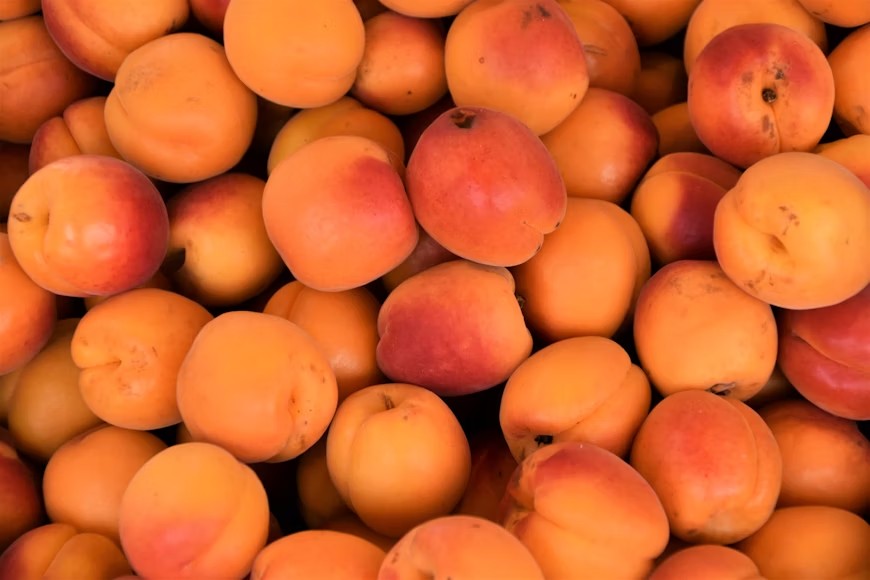
Apricots are golden-orange fruits that belong to the stone fruit family. They are closely related to plums, peaches, and cherries.
They are naturally sweet and can be consumed dried, fresh, or cooked.
Besides its awesome flavor, apricot benefits include its rich source of minerals, vitamins, and antioxidants that improves human health.
There are different types of apricots, with each providing a special texture and flavor though they share the same nutritious content.
Apricots antioxidants and other health-boosting properties have made them an attraction for many.
For detailed knowledge about apricots, make sure to read through this article.
Apricots Nutritional Facts
Below is the nutritional profile of Apricots (per ~70 g)
- Fat: 0.3 g
- Protein: 0.5 g
- Calories: 34 kcal
- Carbohydrates: 8 g
- Dietary Fiber: 1.5 g
- Natural Sugars: 6.5 g
Others includes;
- Iron
- Vitamin A
- Vitamin C:
- Vitamin E
- Vitamin K
- Potassium
- Flavonoids
- Magnesium
- Phosphorus
- Polyphenols
Health Benefits of Eating Apricots
Apricots benefits includes but not limited to;
- Improves Eye Health

One of the main apricot benefits is its ability to maintain a good vision. Its vitamin A content helps to shield the retina, improves night vision, and reduces the chances of cataracts.
- Boosts Immune System
Apricots contain vitamin C that helps to promote the production of white blood cells and strengthen the body’s defence mechanism. These apricot antioxidants also fight harmful free radicals, ensuring speed recovery from illness.
- Improves Skin and Heart Health
Each time you eat the different types of apricots, you are enabling vitamin E, beta-carotene, and other apricots antioxidants contained in the fruit to work together to protect your skin cells from pollution, oxidative stress, and sun damage.
This protection reduces the chances of chronic diseases such as diabetes, certain cancers, and heart disease.
It also slows down aging and keeps the skin youthful.
The presence of potassium helps to regulate heart rate and maintain a healthy blood pressure, and balanced sodium levels.
- Aids Digestion
The high level of dietary fiber contained in this unique fruit, will help to manage bowel movements and prevent constipation
It also nourishes healthy gut bacteria, for better nutrient absorption and the overall digestive health..
- Keeps the Body Hydrated
Fresh apricots contain about 85% water, making it a natural hydrating snack. It replaces fluids in the body especially after a rigorous activity.
6. Strengthens the Bones
Apricots contain vitamin K, Calcium, magnesium, and phosphorus which work together to build and strengthen the bones, limiting the risk of osteoporosis.
Other benefits are; weight management and improves Iron absorption
Ways to Eat Apricots
Below are the different ways to enjoy the types of apricots.
Fresh Wholes
To consume your fresh apricots, just wash thoroughly and eat.
Their naturally sweetness makes them perfect to be eaten as snacks and you can also pair them with .nuts
Dried

Dried apricots usually last long while still retaining their nutrients. They can also be eaten as snacks.
Smoothies
Apricots can be blended and frozen. They pair well with berries, bananas, and peaches giving you a creamy nutrient-rich smoothie.
Include in Salads and Baked Goods
Apricots complement ingredients like cucumber, spinach, feta cheese, and toasted nuts.
Slice apricots to salads to give a burst of color and sweetness.
You can also add in cakes, muffins, or bread to give it a moist texture and sweetness.
They pair well with ice cream and yoghurts.
Juice

Apricots can also be blended into juice and used for cocktails, dessert toppings, or cocktails.
Final Thoughts
Apricots are not just a sweet and juicy treat that can be consumed as snacks but with the essential nutrients and apricot antioxidants, they contribute positively to the human overall health.
From improving vision and maintaining a healthy skin to aiding digestion and strengthening bones, the apricot benefits are truly amazing.
With the different types of apricots available, that provide the same nutritional value, you can enjoy them fresh, dried, blended, or include your meals.
While apricots are safe, it is important to consume it in moderation.
Frequently Asked Questions
Some common questions people ask about apricots.
- Are Apricots and Peaches the Same?
No. Apricots are smaller, less juicy, and contain more tart flavor when compared to peach..
- Are Dried Apricots As Healthy As Fresh Ones?
Yes, but they contain more calories and the sugar is more concentrated due to water removal. They may also have added sulfites for preservation.
- Can Apricots Help With Constipation?
Yes. The fiber content aids healthy digestion and can help to relieve constipation.
- Is It Safe To Eat Apricot Skin?
Yes. The skin contains fiber and antioxidants that are beneficial to the body.
- Can Diabetes Individuals Eat Apricots?
Yes but in moderation. Fresh apricots contain relatively low glycemic index unlike dried apricots which are higher in natural sugars.