

Managing Malaria at Home Safely Before Seeing a Doctor
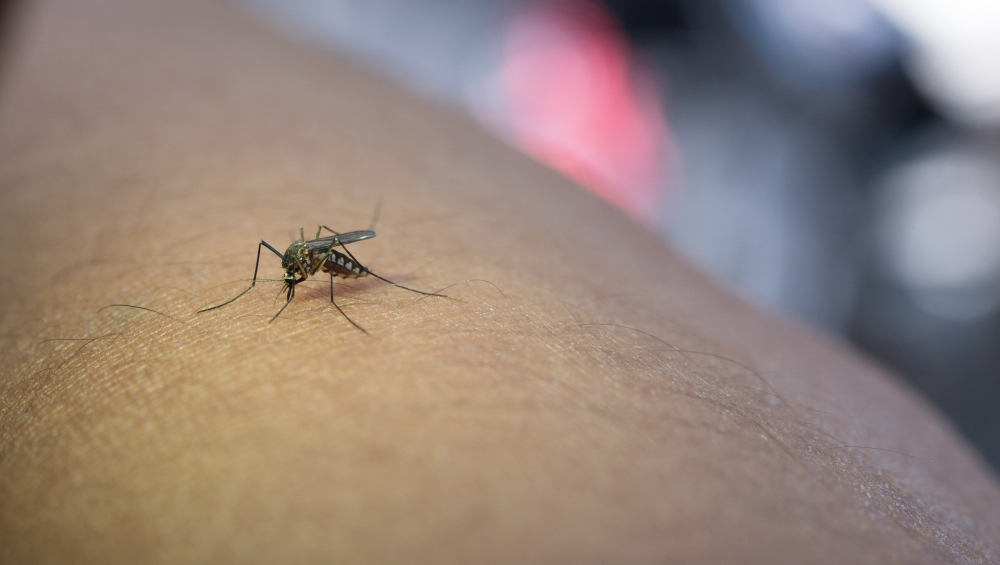
The symptoms strike suddenly: a high fever, shaking chills, a pounding headache and body aches that feel like you’ve been doing hard labour all day. It’s a reality we know too well in Nigeria: Malaria. It is one of the biggest health challenges we face and Nigeria carries the highest burden of malaria globally (Source).
When malaria hits, time is critical. But what if you are in a remote village hours away from the nearest clinic? Or what if you are in a city, but the symptoms started at midnight and you cannot get to a hospital quickly?
This blog article is your essential guide to managing the initial, crucial hours of a malaria attack safely and correctly at home. We will show you simple, no-cost steps to stabilize the patient, reduce fever and avoid common errors while you arrange to see a doctor or use a telemedicine consultation.
The Threat of Malaria: Symptoms You Must Know
Malaria is caused by a parasite passed on through the bite of an infected mosquito. It is not just a severe fever; it is a life-threatening disease if not treated quickly and correctly.
Recognizing Typical Malaria Symptoms:
- Fever and Chills: A high temperature that often comes and goes, sometimes accompanied by intense shaking.
- Headache: Usually severe and persistent.
- Body Aches: Pain in the muscles and joints, often feeling like a bad flu.
- Nausea and Vomiting: Especially common in children.
Why is Malaria Dangerous?
Malaria attacks red blood cells, which carry oxygen around the body. Without quick treatment, it can lead to severe malaria, causing complications like:
- Severe Anaemia: Lack of enough healthy red blood cells.
- Cerebral Malaria: Affecting the brain, leading to confusion, seizures, or coma.
This is why immediate action, even simple home care, is vital.
The Roadblocks to Rapid Treatment
We understand that rushing to a hospital for every fever isn’t always possible in Nigeria due to common challenges:
- Financial Strain: The cost of transport, diagnosis and treatment can be prohibitive for low-income families.
- Distance in Rural Areas: Accessing a facility for a malaria test and treatment can require a long, expensive and difficult journey.
- Overcrowded Clinics: Even in urban centers, hospital queues can be long, delaying treatment when a patient is suffering.
- Misdiagnosis and Self-Medication: Because malaria symptoms are similar to other fevers, many people treat themselves with drugs bought from local vendors, which may be ineffective or fake, making the condition worse.
When these obstacles prevent immediate professional care, your actions at home become the first line of defense.
Immediate, Safe Home Care Steps
Until you can get a confirmed diagnosis (ideally through a test at a PHC) and the proper Artemisinin-based Combination Therapy (ACT), here is what you can do to stabilize the patient:
1. Control the Fever
The high fever is the most distressing and dangerous symptom.
- Use Paracetamol (or Acetaminophen): Give the correct dose of Paracetamol (or Acetaminophen) according to the packet instructions. This helps bring the temperature down and eases body pain. If treating a child, make sure to use the correct dosage for their age and weight.
- Sponge Bath: If the fever is very high, use a sponge or clean cloth soaked in lukewarm (not cold!) water to wipe the patient’s body, especially the armpits and groin. The water evaporating helps cool the skin.
2. Prevent Dehydration
Fever and vomiting cause the body to lose vital fluids and salts, leading to dehydration.
- Drink Plenty of Fluids: Encourage the patient to drink small amounts of clean water, clear soups, or thin pap frequently.
- Use Oral Rehydration Salts (ORS): If there is vomiting or diarrhea, ORS helps replace lost salts and sugars. ORS sachets are cheap and widely available at chemists or Primary Healthcare Centers (PHCs). Mix them with the correct amount of clean, boiled water.
3. Rest and Observation
- Complete Rest: The patient must rest completely. Avoid movement, work, or school. Rest helps the body fight the infection.
- Monitor Symptoms Closely: Keep a close watch for any signs that the condition is worsening (see the “Urgent Danger Signs” section below).
Dispelling Dangerous Myths About Fever
| Myth (What People Often Do) | Fact (Safer and Correct Action) |
| Cover the patient with heavy blankets to ‘sweat out’ the fever. | This is dangerous! It raises the body temperature even higher, risking heatstroke and brain damage. |
| Correct Action: Use light clothing, remove extra blankets and cool the patient with lukewarm water baths. | |
| Giving aspirin to a child with fever. | Aspirin is generally not recommended for children with fever, especially if a viral infection is suspected, as it can cause a rare but serious condition called Reye’s syndrome. |
| Correct Action: Only use Paracetamol(Acetaminophen) for fever reduction in children unless advised otherwise by a doctor. | |
| Taking an incomplete dose of malaria drugs. | Stopping malaria drugs too soon because you feel better can lead to the infection coming back stronger and contributing to drug resistance. |
| Correct Action: Only take the full, recommended dose of ACT drugs, but only after a doctor or health worker confirms the diagnosis. |
When to Stop Home Care and Seek Urgent Help
Simple malaria can become severe very quickly. You must seek professional medical help immediately if you observe any of these urgent danger signs:
- Extreme Weakness: The patient is too weak to sit up, drink, or walk.
- Convulsions or Seizures: Uncontrolled shaking or loss of consciousness.
- Difficulty Breathing: Fast, shallow, or labored breathing.
- Confusion: The patient seems confused, speaks strangely, or cannot recognize family members.
- Dark Urine: Urine that is dark brown or black (a sign of severe complication).
- Persistent Vomiting: Inability to keep down food, water, or medicine.
How to Access Professional Help:
- Contact a Doctor via Phone: If you are unsure or unable to travel, use MyCyberClinics app for an immediate phone consultation. A licensed doctor can review the patient’s symptoms and guide you on the next steps, including whether an in-person visit is necessary.
- Visit the Nearest PHC: For a diagnosis (the essential malaria test) and safe, government-approved treatment, go to your nearest Primary Healthcare Center (PHC) or licensed chemist.
Your Malaria Action Checklist
Being prepared and knowing how to act quickly is the best way to fight malaria.
- Have Paracetamol Ready: Always keep a fresh, unexpired packet of Paracetamol at home. This is your immediate fever relief tool.
- Keep ORS Handy: Stock up on Oral Rehydration Salts to combat dehydration immediately if fever, vomiting, or diarrhea starts.
- Use Mosquito Nets: The lowest cost and most effective strategy: ensure every member of your household sleeps under a long-lasting insecticide-treated mosquito net. This prevents malaria in the first place.
- Know the Right Phone Number: Save the phone number for the nearest PHC or use the MyCyberClinics app to consult a licensed doctor. Time is precious in a malaria emergency.
By taking these proactive and safe steps, you can bridge the gap between falling sick and receiving professional care, saving lives and reducing the severity of malaria.
Don’t wait for the fever to rise. Get prepared today! Share this life-saving information with your community. If you or a loved one is showing symptoms, reach out to a doctor through MyCyberClinics immediately for expert medical guidance from your phone.