

What to Do for Burns, Cuts, or Wounds When Clinic Access is Hard
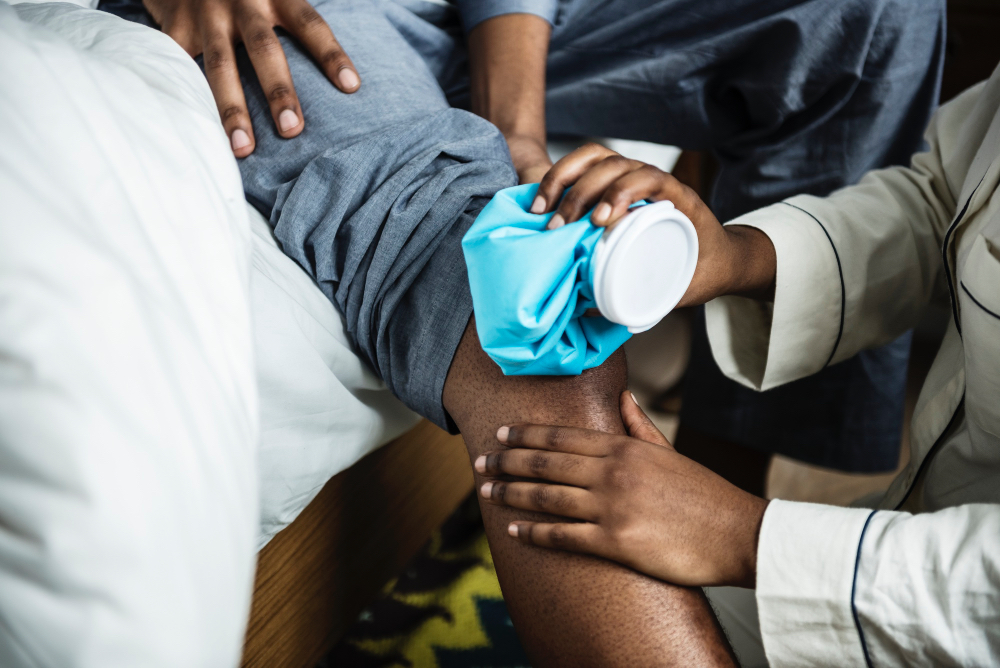
A child is playing near the cooking fire and accidentally touches a hot surface, or a relative suffers a deep cut while working. In an instant, you have a painful injury on your hands. Getting to a doctor quickly is often impossible, especially if you live in a rural area hours away from a good clinic, or if the traffic in a city makes an emergency trip too long.
When professional medical help is far, what you do in those crucial first minutes determines how fast and how well the wound heals. Taking the wrong action can lead to dangerous infection or permanent damage.
This essential guide from MyCyberClinics gives you clear, step-by-step instructions for managing burns, cuts, and wounds safely at home. We focus on low-cost, effective methods that stabilize the injury while you arrange to see a doctor or connect with one on your phone.
The Threat: Injuries and the Risk of Infection
In Nigeria, domestic and occupational accidents frequently lead to injuries like cuts and burns. While many cuts and scrapes are minor, others can become very serious if not cleaned and managed properly, leading to complications like:
- Infection: When germs enter the wound, causing swelling, pus, and fever. This is the most common danger in an open wound, and it can delay healing or even lead to severe illness like Tetanus.
- Delayed Healing: Improper care or the use of traditional remedies can damage the skin and slow down the body’s natural healing process.
Research shows that injuries, including burns, are a significant cause of mortality and disability across Nigeria, often complicated by poor initial management [Source].
Why Quick Wound Care is Often Delayed
We know that many barriers prevent timely, professional care for injuries:
- Financial Barrier: The cost of transport, especially for long distances, and the consultation fees can be too much for many families.
- Limited Local Resources: Your nearest Primary Healthcare Centre (PHC) may not have the necessary equipment or sterile environment to stitch deep wounds or treat severe burns.
- Belief in Traditional Remedies: Many people instinctively turn to traditional applications like mud, herbs, or oil, believing they will heal the wound faster, when they often introduce dirt and germs instead.
- Focus on Work/Farm: In busy communities, people often delay seeking care for a wound until it is painful or infected, losing precious time.
Since travel and cost are challenges, knowing the right first aid steps for wounds and burns is your safest, low-cost option.
Safe Home Treatment for Cuts and Wounds
A cut (a tear in the skin) or wound (general injury to the skin) needs two things immediately: stopping the bleeding and cleaning out the germs.
1. Stopping the Bleeding
- Apply Pressure: Use a clean cloth, bandage, or sanitary pad, and press down firmly and continuously on the wound. Do not lift the cloth to check the wound for at least 10 minutes of steady pressure.
- Elevate: If the wound is on an arm or leg, raise the limb above the level of the heart to slow down the blood flow.
2. Cleaning the Wound
- Wash Gently: Once the bleeding has slowed or stopped, wash the wound gently with clean, running water and mild soap (bar or liquid). Use a clean cloth or cotton to rub away dirt and debris.
- Antiseptic Application: Apply a small amount of antiseptic solution (like iodine or spirit) to the area around the wound to kill surface germs. Avoid pouring large amounts of spirit directly into a deep wound, as it can damage tissue.
- Cover and Protect: Apply a clean, dry, sterile dressing or plaster to cover the wound completely. This keeps dirt and germs out and helps the skin heal faster.
Important Note: Do not remove any large, stuck object (like a piece of glass or wood). Stabilize it, apply pressure around it, and seek professional help.
Immediate Steps for Burns
A burn is damage to the skin caused by heat, chemicals, or electricity. Most household burns are caused by hot water, oil, or fire.
1. Cool the Burn Immediately
- Use Cool Water: Place the burned area under cool, running water for at least 10 to 20 minutes. This is the single most important step. It stops the burning process, reduces swelling, and lessens the pain.
- Remove Jewelry/Clothing: Gently remove any rings, watches, belts, or clothing near the burn, as the area will swell quickly.
2. Cover the Burn Safely
- Cover Loosely: After cooling, gently pat the area dry. Cover the burn loosely with a clean, non-fluffy cloth or a sterile dressing.
- Pain Relief: You may take Paracetamol (Acetaminophen) for pain relief, following the recommended dose.
What NOT to Put on a Burn: Never apply oil, butter, toothpaste, egg white, or traditional powders to a burn. They trap heat and germs, making the injury worse and harder for a doctor to treat later.
Dangerous Myths and Harmful Practices
| Myth (The Common Error) | Fact (The Safe Alternative) |
| Applying dirt, ash, cobwebs, or mud to a cut to stop bleeding. | These introduce tetanus spores and dangerous bacteria. |
| Safe Alternative: Use clean, steady pressure with a clean cloth, followed by gentle washing with soap and water. | |
| Wrapping a burn tightly with plastic or foil. | This traps heat and prevents air from reaching the skin, which is exactly what a burn needs. |
| Safe Alternative: Cool under running water, then cover loosely with a clean, non-fluffy cloth. | |
| Removing all foreign objects from a wound yourself. | If an object is deep (like a nail or large glass piece), pulling it out can cause massive bleeding. |
| Safe Alternative: Stabilize the object and apply pressure around it, then seek professional medical help immediately. |
When to Contact a Doctor Quickly
While home care helps manage small injuries, some require immediate professional attention. Do not delay if you see these warning signs:
- Unstoppable Bleeding: The wound still bleeds heavily after 15 minutes of continuous, firm pressure.
- Deep Wounds: A cut that is wide and deep, showing muscle, or exposing bone, often requires sutures(stitching).
- Infection Signs: The wound becomes increasingly red, swollen, hot, painful, or has pus draining from it.
- Severe Burns: Burns that are deep (white, waxy, or charred), or burns that cover a large area of the body, or are on the face, hands, feet, or private areas.
How to Seek Help When the Clinic is Far:
- Phone Consultation: If you are unsure about the severity, immediately call MyCyberClinics. A doctor can look at a photo or video of the wound/burn on your phone and advise you on whether you need urgent travel to a hospital or if home care is enough.
- Primary Healthcare Centre (PHC): Go to your nearest PHC first. Even if they cannot handle a complex stitching, they can provide sterile cleaning, dressing, and often the crucial Tetanus shot (to prevent lockjaw), which is vital for any dirty wound.
Your Wound and Burn Preparedness Plan
Taking simple, proactive steps today ensures you’re ready when an accident happens.
- Assemble a Wound Kit: Keep a small, clean box with essential items: clean bandages, gauze, antiseptic liquid, plasters, and soap.
- Know the PHC Schedule: Find out the operating hours and services (especially for Tetanus shots) offered at your nearest PHC.
- Always Use Clean Water: Prioritize having safe, clean water at home for drinking and for cleaning wounds, as unclean water introduces germs.
- Connect with MyCyberClinics: Knowing you can get professional advice instantly when a cut or burn happens is invaluable when travel costs too much or takes too long.
By knowing these simple, effective steps, you are protecting your health and preventing small accidents from becoming dangerous complications.
Be prepared for the unexpected! Share this vital information with your community. If you are dealing with an injury now and need professional advice immediately, connect with a licensed doctor on the MyCyberClinics platform from your phone.