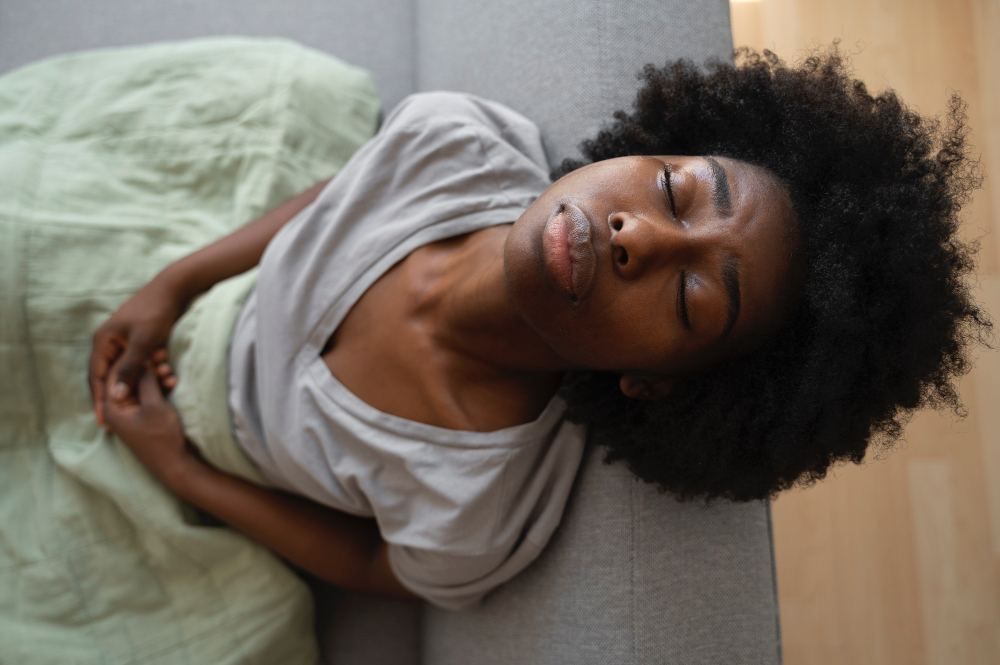

How Lack of Sleep Affects Health and How to Improve Sleep in Difficult Conditions

The sound of a neighbor’s generator rattling through the window. The unbearable heat that makes you toss and turn on the mattress. The bite of a mosquito just as you are drifting off. For many Nigerians, getting a good night’s sleep feels like a battle. We live in a culture that praises “hustle” and often views sleep as a luxury for the lazy. You might hear people say, “I will sleep when I die.”
However, skipping sleep is a dangerous habit. Sleep is not just about closing your eyes; it is an active state where your body repairs muscles, cleans the brain, and strengthens the immune system against diseases like malaria. Without it, your body begins to break down.
This blog post from MyCyberClinics will explain exactly what happens to your body when you don’t sleep enough. We will also share practical, low-cost strategies to get better rest, even if you live in a noisy city or a hot rural community.
The Silent Damage: What Lack of Sleep Does to You
When you consistently get less than 7 to 8 hours of sleep, you are not just tired. You are actively harming your health.
1. Weakened Immune System
Your body produces infection-fighting antibodies while you sleep. Research shows that people who do not get enough sleep are more likely to get sick after being exposed to a virus, such as the common cold. In Nigeria, where we face threats like malaria and typhoid, a strong immune system is your first line of defense.
2. High Blood Pressure and Heart Disease
Sleep helps your blood pressure go down and regulates your heart. Constant lack of sleep keeps your blood pressure high for longer periods. This increases the risk of hypertension, which is a leading killer in Nigeria.
3. Diabetes Risk
Sleep affects how your body processes glucose (sugar). A lack of sleep can make your body resistant to insulin, leading to higher blood sugar levels and increasing the risk of Type 2 Diabetes.
4. Weight Gain
Have you noticed you are hungrier when you are tired? Poor sleep messes with the hormones that tell you when you are full. This leads to overeating and weight gain.
The Nigerian Struggle: Why Sleep is Hard
We know it is not always your fault that you are not sleeping. The environment in many parts of Nigeria makes rest difficult.
- Noise Pollution: The constant hum of generators, loud music from nearby events, or early morning megaphone preachers makes quiet rest rare.
- Heat and Humidity: In the absence of steady electricity to power fans or air conditioners, the tropical heat can make sleeping deeply almost impossible.
- Mosquitoes: The buzzing and biting of mosquitoes are not just annoying; they break your sleep cycle repeatedly throughout the night.
- Economic Stress: The pressure to make ends meet often forces people to work late into the night and wake up before dawn to beat traffic or get to the farm.
Practical Ways to Improve Sleep in Difficult Conditions
You may not be able to fix the power supply or silence the neighborhood, but you can take small steps to improve your sleep quality.
1. Master Your Environment (Temperature and Light)
- Cross Ventilation: If it is safe, keep windows open on opposite sides of the room to allow a breeze to flow through.
- The Power of a Bath: Take a cool bath right before bed. This lowers your body temperature and signals to your brain that it is time to sleep.
- Darkness: Make your room as dark as possible. If streetlights shine in, hang a thick cloth over the window.
2. The Mosquito Net Advantage
Sleeping under a Long-Lasting Insecticidal Net (LLIN) serves two purposes. First, it protects you from malaria. Second, it creates a safe zone free from the annoyance of buzzing insects, allowing you to sleep without interruption.
3. Watch What You Consume
- Avoid Caffeine: Avoid tea, coffee, or kola nuts in the late afternoon and evening. They are stimulants that stay in your body for hours.
- Heavy Meals: Do not eat a very heavy meal (like pounded yam) right before bed. Your body has to work hard to digest it, which can disturb your sleep.
4. Create a Wind-Down Routine
Try to do the same things every night before bed. This could be washing your face, brushing your teeth, or listening to the radio quietly. This routine teaches your body to prepare for rest.
When Sleep Problems are Medical
Sometimes, you do everything right, but you still cannot sleep, or you wake up feeling tired. This might be a sign of a medical condition.
Warning Signs:
- Snoring and Choking: If you snore loudly and sometimes stop breathing or choke during sleep, you might have Sleep Apnea. This is a serious condition where your airway gets blocked.
- Restless Legs: An uncomfortable feeling in your legs that makes you want to move them constantly at night.
- Chronic Insomnia: Being unable to fall asleep for weeks, even when you are tired.
How MyCyberClinics Can Help:
If you suspect a physical health issue is ruining your sleep, do not guess.
- Use the App: Log in to the MyCyberClinics web or mobile app.
- Chat with Chioma: Tell Chioma, our AI assistant, about your sleep struggle. For example: “I snore loudly and wake up with a headache every morning.”
- Consult a Doctor: Chioma can connect you with a licensed doctor on our platform. The doctor can assess if your sleep issues are linked to physical conditions like high blood pressure, thyroid issues, or sleep apnea. They can prescribe necessary tests or medications to help manage these physical causes. Note: Our doctors provide general medical care and do not offer mental health services.
Common Sleep Myths
| Myth (What People Believe) | Fact (The Reality) |
| “I can cheat sleep during the week and catch up on weekends.” | Fact: You cannot fully “catch up” on lost sleep. The damage to your body accumulates over time. Consistency is key. |
| “Alcohol helps me sleep better.” | Fact: Alcohol might make you fall asleep faster, but it reduces the quality of your sleep. You will likely wake up in the middle of the night and feel less rested in the morning. |
| “Old people don’t need much sleep.” | Fact: Older adults still need 7 to 8 hours of sleep. They just often have trouble staying asleep due to medical issues or discomfort, not because they need less rest. |
Practical Takeaways: What You Can Do Today
- Get a Net: If you don’t have a mosquito net, buy one today. It is the cheapest investment for uninterrupted sleep.
- Set a “No Phone” Time: The light from your phone wakes up your brain. Try to stop using your phone 30 minutes before you want to sleep.
- Check Your Mattress: If your mattress has a deep hole or is very lumpy, try to pad it with blankets or flip it over. Physical pain is a major sleep thief.
- Register on the App: Download the MyCyberClinics app now so you have immediate access to medical advice if your fatigue becomes a health concern.
Sleep is free medicine. In a tough economy and a busy world, prioritizing your rest is one of the smartest ways to stay healthy and keep working hard for your family.
Are you waking up tired every day? It might be more than just stress. Log in to the MyCyberClinics web or mobile app today. Let Chioma analyze your symptoms and connect you with a licensed doctor to rule out any physical causes affecting your rest.