
Menstrual Cramps: When To See A Doctor
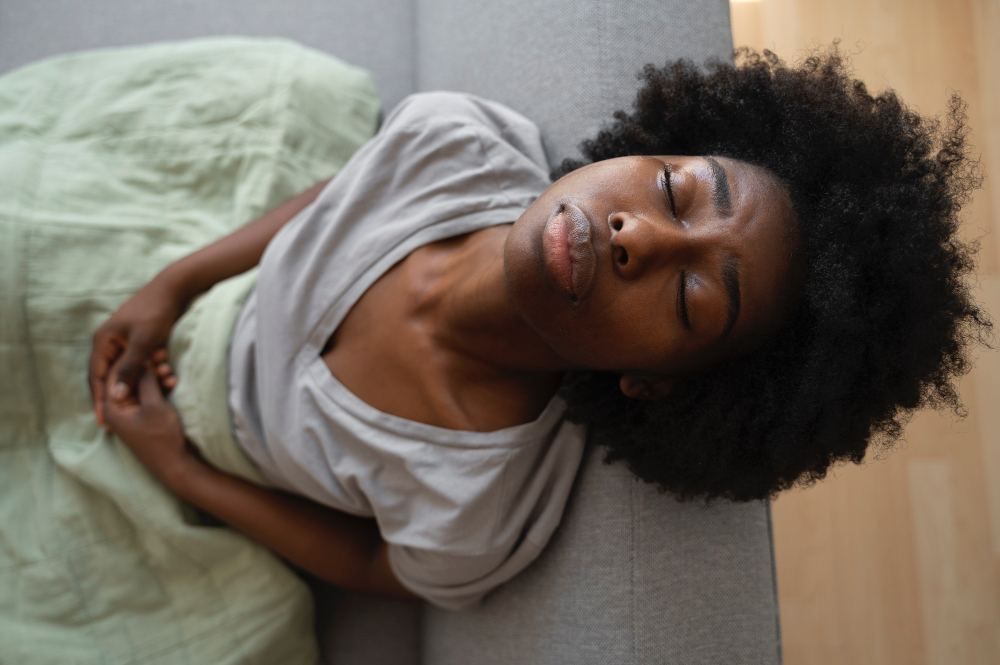
Every month, millions of Nigerian women dread “that time of the month.” We see our sisters, friends, or even our mothers drinking hot water, tying a wrapper tightly around their waist, and curling up in bed in silence. For many, this monthly suffering is seen as part of being a woman. We are often told to “just endure it.”
But is extreme pain really something you just have to manage? The answer is no. While some discomfort is normal, pain that stops you from going to school, opening your shop, or doing your farm work is a medical problem.
This blog post from MyCyberClinics will help you understand the difference between normal period pain and signs of a more serious health issue. We will share simple ways to manage the pain at home and explain how you can get private, professional advice without the stress of visiting a crowded hospital.
The Silent Struggle: What is Happening Inside?
Menstrual cramps, medically known as dysmenorrhea, happen when the womb (uterus) squeezes to shed its lining. This squeezing cuts off the blood supply for a moment, causing pain.
In Nigeria, period pain is extremely common. Many young girls miss school days every month because of it. Cramps can be caused by two reasons:
- PHYSIOLOGIC (menstrual pains): This is the “normal” pain that starts when you first get your period. It usually lasts 1 to 3 days and can be managed with simple painkillers.
- PATHOLOGICAL events: This pain is caused by a health problem in the womb, such as Fibroids or Endometriosis. This pain often gets worse over time and lasts longer than the bleeding.
According to health data, uterine fibroids are very prevalent among Nigerian women, often causing severe pain and heavy bleeding that is mistakenly ignored as “just cramps” [Source].
Why Women Don’t Seek Help
Despite the pain, very few women go to the doctor for cramps. The barriers are real and difficult to overcome.
- Shame and Stigma: In many communities, discussing menstruation is taboo. A young girl might feel shy to tell a male doctor about her private pain.
- “It is Normal” Myth: Mothers often tell daughters that pain is just part of womanhood, so they stop complaining.
- Cost: If a family has limited money, they will prioritize treating a child’s malaria over treating a woman’s monthly pain.
- Distance: Traveling miles to a clinic just to be told “take Panadol” feels like a waste of time and money.
Simple Home Care (Low Cost Relief)
If your pain is uncomfortable but manageable, these simple, low cost strategies can help you feel better without needing a hospital.
1. Heat Therapy
Heat helps the muscles of the womb relax.
- How to do it: Soak a towel in hot (not boiling) water, wring it out, and place it on your lower belly. Or, fill a plastic bottle with warm water, wrap it in a cloth, and use it as a hot water bottle.
2. Gentle Movement
It feels natural to lie in bed, but moving actually helps.
- How to do it: Taking a slow walk or doing light stretching increases blood flow, which reduces the cramping pain.
3. Dietary Changes
- What to avoid: Limit salt and sugary drinks (minerals) during your period. Salt makes you retain water (bloating), which makes cramps feel worse.
- What to take: Drink plenty of warm water or ginger tea.
4. Over-the-Counter Medicine
Simple painkillers like Ibuprofen or Paracetamol can work well if taken as soon as the pain starts. Do not wait until the pain is unbearable. Always follow the dosage on the packet.
The Warning Signs: When to See a Doctor
You should not just “manage” if the pain is severe. You need to speak to a doctor if you notice any of these red flags:
- Pain that stops your life: If you cannot go to work or school, or if you are vomiting from pain.
- Medicine does not work: If you take painkillers and the pain is still severe.
- Heavy Bleeding: If you have to change your pad every hour because it is soaked, or if you see large blood clots.
- Pain at other times: If you feel pelvic pain even when you are not on your period.
- Pain is getting worse: If your periods are more painful now than they were two years ago.
These could be signs of Fibroids (growths in the womb), Endometriosis (tissue growing outside the womb), or Pelvic Inflammatory Disease (an infection). These conditions need medical treatment to prevent long term issues like infertility.
How MyCyberClinics Helps You Privately
We know that walking into a clinic and talking about your period can be embarrassing. This is why MyCyberClinics is the perfect solution for women’s health.
1. Private and Confidential
You do not need to whisper to a receptionist. You can access help from your phone in the privacy of your room.
2. Chioma: Your Understanding Guide
When you log in to the MyCyberClinics web or mobile app, you can chat with Chioma, our health assistant. You can tell her details you might be too shy to say out loud, like “My bleeding is very heavy” or “I have pain during sex.”
- Chioma will analyze these symptoms to understand if it sounds like normal cramps or something more serious like fibroids.
3. Connect with a Doctor
Chioma will connect you to a licensed doctor on the platform. The doctor can listen to your history and advise you.
- If it sounds like a severe issue, they might prescribe stronger medication or advise you to go for a specific scan at a lab near you. This saves you the stress of a blind hospital visit.
Busting Common Myths
| Myth (What People Say) | Fact (The Truth) |
| “Painful periods mean you are very fertile.” | Fact: There is no medical link between pain and high fertility. In fact, severe pain caused by untreated conditions like Endometriosis can actually make it harder to get pregnant later. |
| “Drinking cold water causes the blood to clot and cause pain.” | Fact: The temperature of the water you drink does not freeze your menstrual blood. However, warm drinks can help relax your muscles. |
| “You should not bathe during your period.” | Fact: Good hygiene is essential during menstruation to prevent infections. A warm bath can also help reduce pain. |
Practical Takeaways: What You Can Do Today
- Track Your Cycle: Use a notebook or a phone calendar to mark when your period starts and how bad the pain is (mild, bad, terrible). This information is very helpful for the doctor.
- Stock Your Kit: Keep a packet of sanitary pads and Ibuprofen in your bag so you are never caught unprepared.
- Download the App: Get the MyCyberClinics mobile app today. If your next period is painful, you will be ready to ask Chioma for advice instantly.
- Listen to Your Body: If something feels wrong, do not let anyone tell you to “just endure.” Your pain is real, and you deserve relief.
You do not have to suffer in silence. Understanding your body is the first step to taking control of your health.
Is your monthly pain stopping you from living your life? It might be time to get a professional opinion. Log in to the MyCyberClinics web or mobile app today. Chat with Chioma to analyze your symptoms and connect with a compassionate doctor who can help you find relief.