

Coconut Milk: Benefits, Nutrition, and How to Use It in Cooking
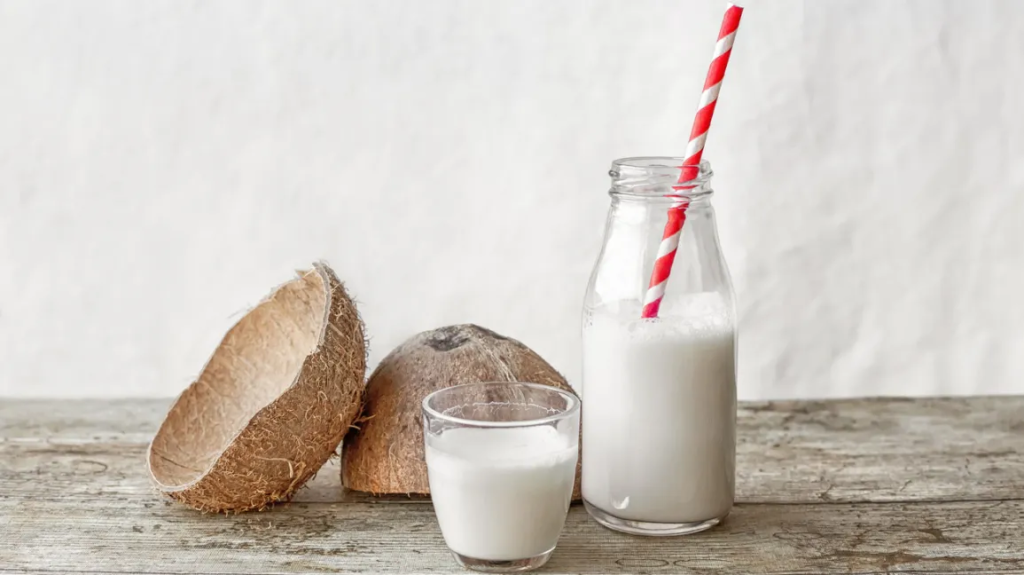
Coconut milk has become a staple in kitchens around the world — not just for its rich, creamy texture and unique flavor, but also for its potential health benefits and versatility in recipes.
Whether you follow a plant-based diet, are lactose intolerant, or just love tropical flavors, coconut milk is a delicious and nutritious addition to your meals.
In this guide, MyCyberClinic will explore the benefits of coconut milk, its nutritional profile, and the many ways to use it in cooking.
Coconut milk, a rich, creamy liquid from fresh coconut flesh, offers numerous health benefits, including providing medium-chain fatty acids (MCTs), supporting heart health, acting as an antimicrobial and antioxidant, and aiding digestion and weight management.
Nutritionally, it’s a good source of iron, potassium, and magnesium, while being naturally lactose-free and dairy-free, making it an excellent alternative for various dietary needs.
In cooking, it can be used in curries, smoothies, soups, and baked goods, providing a rich flavor and creamy texture to both sweet and savory dishes.
What Is Coconut Milk?

Coconut milk is a creamy, white liquid extracted from the grated pulp of mature coconuts. It’s made by blending the coconut meat with water and then straining the mixture.
Coconut milk is made from the white flesh of mature brown coconuts, the fruit of the coconut tree. It has a rich, creamy texture and a thick consistency.
This milk is a staple in Thai and Southeast Asian cuisines and is also commonly used in dishes from Hawaii, India, the Caribbean, and parts of South America.
It’s important not to confuse coconut milk with coconut water. Coconut water is the clear liquid naturally found inside young green coconuts. In contrast, coconut milk is made by blending grated coconut flesh with water. The result is a liquid that’s about 50% water.
Coconut water, on the other hand, is around 94% water and contains much less fat and fewer nutrients than coconut milk.
It is different from coconut water, which is the clear liquid found inside young green coconuts.
How To Make Fresh Coconut Milk | Home Made Coconut Milk | World Coconut Day Special – Ruchi
Coconut Milk Benefits
1. Supports Heart Health Although high in saturated fat, coconut milk contains lauric acid, which may increase HDL (good) cholesterol and improve heart health in moderation.
2. Boosts Immunity Lauric acid also has antimicrobial and anti-inflammatory properties, which can support the immune system.
3. Aids in Weight Management Medium-chain triglycerides (MCTs) in coconut milk may help with fat burning and appetite control.
4. Lactose-Free Alternative Perfect for people with lactose intolerance or dairy allergies as a substitute in recipes and drinks.
5. May Improve Digestion Coconut milk is soothing to the digestive system and may benefit people with gut sensitivities.
How to Use Coconut Milk in Cooking
Coconut milk is incredibly versatile. Here are some delicious ways to incorporate it into your meals:
1. Curries and Soups Add depth and creaminess to Thai curries, Indian dishes, or soups like coconut-lime chicken soup.
2. Smoothies and Beverages Blend coconut milk with fruits, greens, or protein powders for a rich and creamy smoothie.
3. Baking and Desserts Use it to make dairy-free cakes, puddings, ice creams, or creamy frostings.
4. Coffee Creamer Refrigerated coconut milk can be a flavorful, plant-based creamer for coffee and tea.
5. Sauces and Marinades Combine it with spices or citrus for a flavorful sauce or marinade for meat and vegetables.
Effects on Weight and Metabolism

Coconut milk contains fats called MCTs (medium-chain triglycerides), which may have some benefits for weight management and metabolism.
Around 50% of the fat in coconut oil is lauric acid, which behaves somewhere between a long-chain and medium-chain fatty acid. Coconut oil also contains smaller amounts (about 12%) of true MCTs, such as capric acid and caprylic acid.
Unlike long-chain fats, MCTs are quickly absorbed and sent directly to the liver, where they’re used for energy or converted into ketones. This means they’re less likely to be stored as body fat.
Some studies suggest MCTs may help:
- Reduce appetite
- Lower calorie intake
- Increase calorie burning and fat oxidation (though temporarily)
For example, one small study found that overweight men who consumed 20 grams of MCT oil at breakfast ate 272 fewer calories at lunch than those who had corn oil instead.
However, coconut milk contains only small amounts of MCTs, so it’s unlikely to have a major impact on weight or metabolism.
Some research has shown that coconut oil might reduce waist size in certain groups, like people with obesity or heart disease, but not overall body weight.
Currently, no studies have directly examined how coconut milk specifically affects weight or metabolism. More research is needed before drawing firm conclusions.
Conclusion
Coconut milk is a versatile and nutritious ingredient with potential health benefits ranging from improved digestion to antimicrobial and antioxidant properties. While it can be a valuable addition to a balanced diet, it should be consumed in moderation and not used as a substitute for medical treatment.
Coconut milk is more than just a trendy ingredient; it’s a nutrient-rich, flavorful, and dairy-free option that adds depth to both savory and sweet dishes. Whether you’re making a spicy curry, a creamy dessert, or a tropical smoothie, coconut milk deserves a place in your pantry.
FAQ
Is coconut milk healthy? Coconut milk can be healthy when consumed in moderation. It provides healthy fats (including MCTs), vitamins, and minerals. However, because it’s high in saturated fat, it’s best to enjoy it as part of a balanced diet.
What is the difference between coconut milk and coconut cream? Coconut cream is thicker and richer in fat than coconut milk. It contains less water and is ideal for desserts or creamy sauces, while coconut milk is better for general cooking.
Can I drink coconut milk straight from the can? Yes, but it’s typically used as an ingredient in recipes. Canned coconut milk is very rich and creamy, so it may be too thick to drink straight. For beverages, use the thinner refrigerated version.
Is coconut milk good for people with lactose intolerance? Yes. Coconut milk is naturally dairy-free and lactose-free, making it an excellent alternative for people who are lactose intolerant or allergic to dairy.
How long does coconut milk last after opening? Once opened, canned coconut milk should be stored in an airtight container in the refrigerator and used within 4–5 days. Always check for sour smells or changes in texture before using.