

Health Benefits and Nutrition Facts of Tobiko
Health Benefits and Nutrition Facts of Tobiko

But is tobiko just a garnish, or does it offer real health benefits? In this article, we’ll break down the nutrition facts of tobiko, its health perks, and any potential concerns you should be aware of.
Tobiko, or flying fish roe, is a nutritious and flavorful addition to dishes, particularly sushi. It’s a good source of protein, omega-3 fatty acids, and several vitamins and minerals. While generally healthy, it’s important to consume it in moderation due to its relatively high cholesterol and sodium content.
MyCyber Clinic: Talk to doctors
What Is Tobiko?
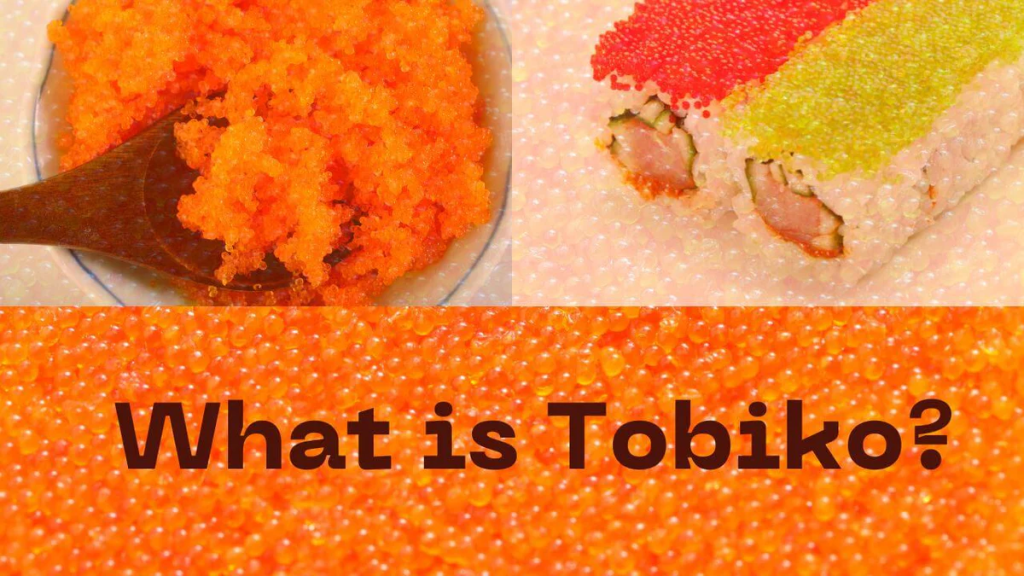
Tobiko is a Japanese term for flying fish roe (fish eggs). It’s known for its small size, bright orange color (though it can be dyed other colors), and a characteristic popping texture when eaten. Tobiko is commonly used as a topping for sushi, particularly in dishes like California rolls, and as a garnish for nigiri and sashimi.
Tobiko is the roe (eggs) of flying fish, commonly used in Japanese cuisine, particularly in sushi. It’s often dyed with natural colors:
- Orange – natural color
- Black – with squid ink
- Green – with wasabi
- Red – with beet or chili
Tobiko is typically used as a topping for nigiri, maki rolls, or in sauces. While small in portion, it’s nutrient-dense and packs a surprising amount of flavor.
Get Medical Advice on MyCyber Clinic
Top Health Benefits of Tobiko

Tobiko, as a nutrient-dense food, offers a number of potential health benefits when consumed in moderation. MyCyberClinic highlighted some of these benefits which includes:
1. High-Quality Protein
Tobiko is a good source of complete protein, which means it contains all nine essential amino acids required for proper body function. A high-protein diet is important for building and maintaining muscle mass, managing a healthy weight, supporting immune function, and repairing tissues.
2. Omega-3 Fatty Acids
This sushi ingredient contains small amounts of omega-3 fatty acids, which have been associated with a variety of health benefits, such as improving heart health, supporting brain function, and reducing inflammation.
3. Vitamins and Minerals
Tobiko provides several essential vitamins and minerals, including vitamins A, B12, D, and E; selenium; and iodine. These nutrients play crucial roles in various bodily functions, such as supporting the immune system, maintaining healthy vision, and promoting proper thyroid function.
4. Low in Calories and Carbohydrates
With relatively low calorie and carbohydrate content, tobiko can be a suitable addition to various diets, including low-carb and weight management plans.
5. Boosts Flavor Without Heavy Sauces Thanks to its umami-rich profile, tobiko enhances dishes naturally, reducing the need for extra soy sauce, oils, or creamy dressings.
Are There Any Health Risks or Concerns?
While tobiko can provide certain nutritional benefits and is often consumed in smaller amounts because of its use as a garnish, there are also potential risks and side effects associated with its consumption, such as:
1. Allergies: Individuals with fish or seafood allergies may have an allergic reaction to tobiko, as it is derived from fish eggs. Symptoms of an allergic reaction can include itching, swelling, hives, difficulty breathing or even anaphylaxis in severe cases.
If you have a known fish or seafood allergy, it is best to avoid consuming tobiko.
2. Foodborne illness: As with other raw or undercooked seafood products, there is a risk of foodborne illness when consuming tobiko. To minimize the risk, ensure that you purchase it from reputable sources and follow proper food-handling and storage guidelines.
3. Mercury and Other Contaminants: Fish and seafood can sometimes contain mercury and other environmental contaminants. While tobiko is typically lower in mercury compared to larger fish, it is still important to consume it in moderation to avoid excessive exposure.
4. Pregnancy Concerns: Pregnant women should be cautious when consuming raw or undercooked seafood, including tobiko, due to the risk of foodborne illnesses that can harm both the mother and the fetus. Additionally, high mercury levels in some fish can be harmful to the developing fetus.
5. High Sodium: One possible downside of eating tobiko is its sodium levels. Some varieties can contain up to 10 percent of your daily recommended intake for sodium, and consuming too much of this mineral can contribute to high blood pressure and other cardiovascular issues.
People on sodium-restricted diets or those with hypertension should be cautious about consuming tobiko and other high-sodium foods.
In general, it is important to consume this food in moderation and follow proper food-handling and storage practices to minimize potential risks and side effects.
Get Advice From a Professional
Conclusion
Tobiko isn’t just a pretty topping — it’s a nutrient-rich, flavorful ingredient that offers several health benefits in small amounts. With a good dose of protein, omega-3s, and essential vitamins, tobiko can be part of a balanced diet, especially for seafood lovers.
However, like most delicacies, moderation is key. Watch for sodium content and possible allergies, and always choose fresh, high-quality sources when possible.
Whether you’re enjoying it on sushi or using it as a creative garnish, tobiko delivers more than just taste — it’s a small bite with big benefits.
FAQ: Tobiko Nutrition and Health
1. Is tobiko high in cholesterol? Tobiko contains moderate cholesterol (10–20 mg per tablespoon). It’s fine in moderation for most people but should be limited for those with high cholesterol.
2. Can I eat tobiko while pregnant? It’s best to avoid raw tobiko during pregnancy due to the risk of bacterial contamination. Cooked versions may be safer, but consult your doctor.
3. Is tobiko good for weight loss? Yes. Tobiko is low in calories and carbs, and high in protein, making it a smart addition to a calorie-conscious diet.
4. How much tobiko is safe to eat? A tablespoon or two per serving is generally safe for most people. Those with sodium or cholesterol concerns should consume it less frequently.
5. Does tobiko have Omega-3? Yes, tobiko is a natural source of omega-3 fatty acids, which support brain and heart health.