

How Bereavement Counseling Can Help: What to Expect and How to Find a Therapist
Introduction

Losing someone you love is one of life’s most painful experiences. Whether it’s a family member, friend, or partner, the grief that follows can feel overwhelming, confusing, and even isolating.
While grief is a natural response to loss, for many people, talking to a trained professional can make a world of difference. This is where bereavement counseling comes in.
Bereavement counseling provides professional support to navigate the complex emotions of grief after a loss, offering a safe space to process feelings, adapt to life without the deceased, and develop coping strategies.
During a session, a therapist will guide you through discussing your loss and emotions, and may use techniques like Cognitive Behavioral Therapy (CBT) to help you accept the reality of the loss, adjust to your new life, and maintain a connection with the person you lost.
In this guide, MyCyberClinic will explore how bereavement counseling works, what to expect from sessions, and how to find the right therapist to support your healing journey.
To find a therapist, contact your GP, look for grief support services through hospices or hospitals, search for online forums or therapy options, or check with local community, religious, or senior centers.
MyCyber Clinic: Talk to doctors
What Is Bereavement?
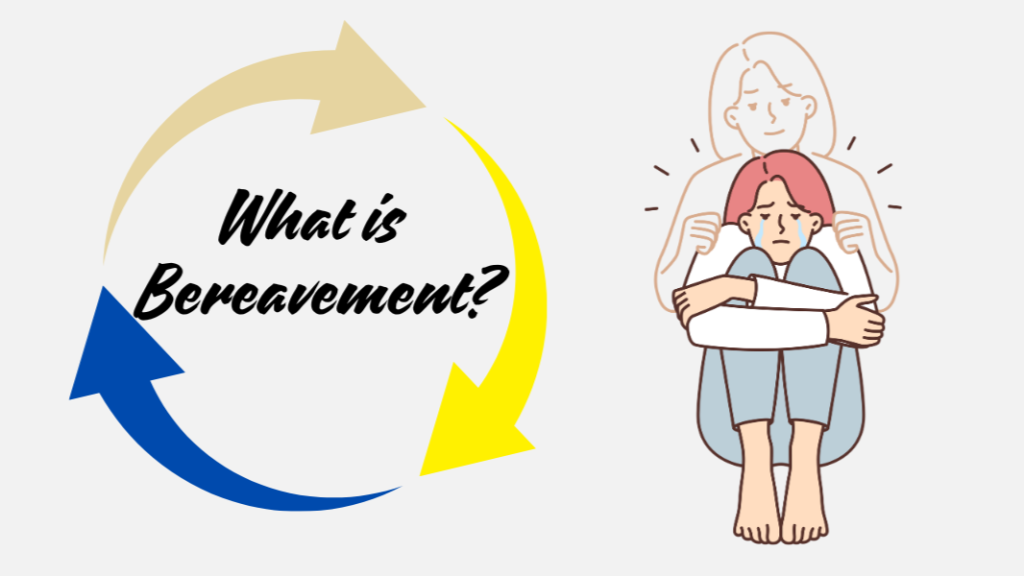
Bereavement is the period of grief and mourning after a loss, especially after the death of a loved one. It affects people emotionally, mentally, physically, and spiritually.
Bereavement is the state of having recently experienced the death of a loved one. It encompasses the period of grief and mourning following a loss, and is characterized by a range of emotional and psychological responses.
While grief and mourning are part of the natural process of dealing with loss, bereavement specifically refers to the time period during which these experiences occur after a death.
Common responses include:
- Sadness and crying
- Numbness or shock
- Anger or guilt
- Fatigue and insomnia
- Loss of appetite
- Difficulty concentrating
Everyone grieves differently. For some, these symptoms ease over time. But for others, the pain lingers longer or interferes with daily life, this is when bereavement counseling may help.
Talk to a counselor online now
What Is Bereavement Counseling?
Bereavement counseling (also known as grief counseling) is a form of therapy designed to help individuals cope with the emotional and psychological effects of losing someone they love.
Bereavement counseling, also known as grief counseling, is a professional support service that helps individuals cope with the emotional and psychological stress following the death of a loved one.
A trained counselor provides a safe space to express feelings, process the grief, and develop coping strategies for adapting to life after loss.
Counseling can involve individual sessions, support groups, and educational resources, with the goal of helping people move forward in life while accepting the reality of their loss.
The goals of bereavement counseling include:
- Helping you process the loss in a healthy way
- Offering a safe space to express emotions
- Identifying and addressing complicated or prolonged grief
- Developing coping strategies
- Rebuilding your life around the loss
Counseling can be short-term or ongoing, depending on your individual needs and the depth of your grief.
Who Needs Bereavement Counseling?

- You feel stuck in your grief months or years later
- Your loss is affecting work, relationships, or daily functioning
- You’re experiencing intense guilt or anger
- You feel isolated and unsupported
- You have a history of trauma or mental health challenges
Children and teens may also benefit from grief counseling, as they often process death differently than adults.
What to Expect in Bereavement Counseling
Every therapist has a slightly different approach, but here’s what you can generally expect during grief counseling sessions:
1. Initial Assessment In your first session, the therapist will ask about the loss, your relationship with the deceased, your current emotional state, and how the loss has impacted your life.
2. Talking Through the Loss Counseling provides a safe, non-judgmental space to share thoughts and feelings, even those that are difficult or uncomfortable.
3. Processing Emotions You’ll work through emotions like anger, guilt, regret, and sadness. The therapist may use different techniques such as:
- Cognitive-behavioral therapy (CBT)
- Narrative therapy
- Mindfulness techniques
- Journaling or creative expression
4. Coping and Adjustment Therapists help you develop healthy coping skills and adjust to life after loss, whether that means returning to work, reconnecting with others, or simply getting through each day.
5. Ongoing Support Depending on your needs, therapy can be weekly, biweekly, or monthly. Some people attend for just a few sessions, while others benefit from long-term support.
Benefits of Bereavement Counseling
Seeking support during the grieving process can lead to powerful healing. Here are some proven benefits:
- Emotional relief through expressing thoughts and feelings
- Improved coping skills for managing triggers, anniversaries, and memories
- Reduction in symptoms of depression, anxiety, and insomnia
- Supportive environment that reduces isolation
- Healthier relationships with family and friends post-loss
How to Find a Bereavement Therapist
Choosing the right therapist is a personal decision. Here are steps to help you find someone qualified and compassionate:
1. Start with Referrals
Ask your doctor, local hospice, or mental health clinic for recommendations.
2. Search Online Directories
Use platforms like:
- Psychology Today
- TherapyDen
- GoodTherapy
- Grief.com (for grief-specific therapists)
Filter by specialty in bereavement or grief counseling.
3. Check Credentials
Look for licensed therapists (LPC, LCSW, LMFT, PsyD) with experience in grief and trauma.
4. Consider the Fit
Schedule a free consultation if possible. Choose someone you feel comfortable opening up to, healing starts with trust.
5. Explore Group Counseling
Support groups, whether in-person or online, can offer comfort through shared experience.
Conclusion
Grieving a loss is never easy, but you don’t have to go through it alone. Bereavement counseling offers a compassionate, structured way to process your emotions, gain support, and move toward healing. Whether you’ve lost someone recently or years ago, reaching out for help is a brave and healthy step.
Grief may never fully go away, but with the right support, you can learn to carry it, and live again.
Book a doctor on Mycyberclinic
FAQ
How long does bereavement last? There’s no set timeline. Grief can last weeks, months, or years, depending on the person, relationship, and type of loss. Bereavement counseling helps when grief interferes with life.
What’s the difference between grief and bereavement? Grief is the emotional response to loss. Bereavement is the period of mourning and adjustment after a loss.
Is it normal to feel numb after a death? Yes. Numbness is a common early reaction in bereavement. It can act as a temporary emotional shield while your mind processes the loss.
Can bereavement cause physical symptoms? Yes. Grief can cause fatigue, headaches, sleep disturbances, appetite changes, and even chest pain. If these persist, consult a healthcare provider.
How soon after a loss should I seek counseling? You can start bereavement counseling at any point — days, weeks, or years after a loss. If you feel overwhelmed, isolated, or stuck, it may be time to reach out.