
How to Avoid Fake Medications and Pharmacies
You or a loved one is sick. You get a prescription for the medicine you need, or you buy a drug for a common ailment like malaria or pain. You take it, expecting to feel better, but nothing happens. In fact, you might even feel worse. This terrifying situation is the reality for many Nigerians who unknowingly purchase fake medicines (also called substandard or falsified medicines).
These fake drugs are a massive threat to our communities. They contain the wrong ingredients, too little of the real drug, or sometimes even harmful substances like chalk or poison. Taking them means your sickness isn’t treated, your money is wasted and your life is put at risk.
This very important blog post will empower you with simple, clear steps to identify a real medicine from a fake one and how to spot a trustworthy pharmacy or drug seller. We’ll use local context and official guidance to help you protect yourself and your family.
The Silent Killer: What Fake Drugs Do
The problem of fake and substandard drugs is particularly serious in Nigeria. Official reports indicate that falsified and substandard drugs are a major public health concern, especially for high-demand medications like antibiotics, antimalarials and pain relievers. (Source)
What happens when you take a fake drug?
- Treatment Failure: The most common sign. The medicine does not work and the illness (like a fever or infection) gets worse because it wasn’t treated properly.
- Harmful Side Effects: The fake ingredients can cause serious reactions, organ damage, or even death.
- Drug Resistance: Taking medicine with too little active ingredient teaches germs to become stronger, leading to antibiotic resistance or antimalarial resistance, making future infections much harder to treat.
A frightening truth is that many people in Nigeria have been exposed to these dangerous products, often without even knowing it.
Why the Problem is Widespread
Why is it so hard for a Nigerian to be sure they are buying a real medicine?
- Unlicensed Sellers (Hawkers): Many people buy drugs from street hawkers, motor parks, or small, unlicensed shops that are not regulated. These places are hotspots for fake drugs because they are not monitored by government agencies like NAFDAC (National Agency for Food and Drug Administration and Control).
- Cost of Care: When people struggle financially, they often look for the cheapest option, which criminals exploit by selling fake products at lower prices.
- Poor Lighting/Packaging: In busy markets or areas with poor lighting, it is easy to miss subtle differences in packaging that indicate a fake product.
- Scarcity and Distance: In rural areas, when the nearest licensed pharmacy or clinic is far away, people are forced to buy what is available locally, even if it is from an unverified source.
Your Defense Plan: Spotting Real Medicine
You don’t need to be a doctor to protect yourself. By checking a few key details, you can significantly reduce your risk of buying a fake medicine.
1. Check the Packaging and Look
- Seal and Integrity: Check if the seal on the bottle, carton, or packet is broken or looks tampered with. If the packaging looks torn, smudged, or re-glued, avoid it.
- The Look and Feel: Real medicine usually has high-quality packaging. Check for blurry printing, spelling mistakes, strange colors, or faded labels. Fake drugs often have poor print quality.
- Product Consistency: If you’ve taken the medicine before, does the pill look exactly the same? Is it the same size, color and texture? If the taste or smell is different, be wary.
2. Verify with NAFDAC
NAFDAC is the body responsible for ensuring the safety of medicines in Nigeria. They have an important tool you can use:
- NAFDAC SMS Verification: Many genuine drugs, especially antimalarials and antibiotics, have a scratch-off panel with a PIN on the packaging. You can scratch it and send the code via SMS to the number provided on the pack. You should receive an immediate reply confirming if the drug is genuine or fake. This is a crucial, low-cost step to protect yourself [https://www.nafdac.gov.ng/].
3. Check for Expiry Date and Batch Number
Always check the expiry date (when the medicine is no longer safe or effective) and the batch number (a unique code for a specific manufacturing run). If the expiry date is missing, looks altered, or is very close to the purchase date, do not buy it. Both the date and batch number should be clearly printed.
How to Choose a Trustworthy Place to Buy Drugs
The place you buy your medicine is just as important as the medicine itself.
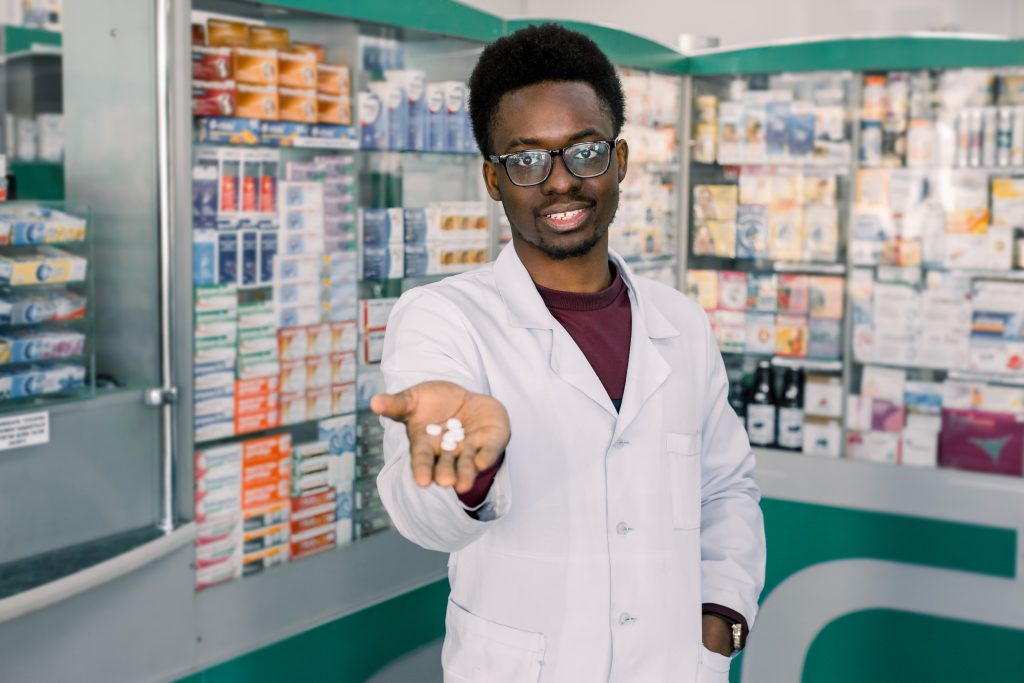
- Licensed Pharmacies: Look for shops that clearly display their operating license and have a qualified pharmacist present. These are the safest places to buy drugs.
- Avoid Hawkers and Unregistered Shops: Drug hawkers on the street or sellers in local markets who are not in a registered shop are usually operating illegally and are the primary source of fake products.
- Hospitals and PHC Dispensaries: Medicines dispensed directly by Primary Healthcare Centers (PHCs) or government hospital pharmacies are generally reliable, as they are part of the official supply chain.
What You Can Do Today: Actionable Steps
Protecting yourself from fake drugs is a continuous effort. Here are 3-5 clear steps you can take starting now:
- Prioritize Licensed Sources: Make a strong decision today: never buy medicine from a street hawker. Only purchase drugs from licensed pharmacies or accredited drug stores.
- Always Verify (Scratch and Send): When buying antimalarials, antibiotics, or other NAFDAC-regulated drugs, always scratch the panel and send the SMS to verify its authenticity before you leave the shop. This is a free and effective way to be sure.
- Consult a Doctor First: Instead of diagnosing yourself and buying medicine based on guesswork, use MyCyberClinics to consult a doctor from your phone. A doctor can give you a clear prescription and advice on which genuine medication you need, reducing your chance of buying the wrong or a fake product.
- Report Suspicion: If you suspect a medicine is fake or a shop is selling illegal drugs, report it immediately to the nearest NAFDAC office or contact your community leader to alert the authorities.
Take charge of your health. Your diligence in checking the drugs you buy is a powerful step in fighting this public health menace and ensuring your family gets the safe, effective treatment they deserve.
Do not risk your life or waste your money on fake drugs. Use this knowledge and share it with everyone you know. For professional advice on your symptoms and the correct medication to take, consult a doctor on the MyCyberClinics platform today.