

How to Identify and Treat Dehydration at Home
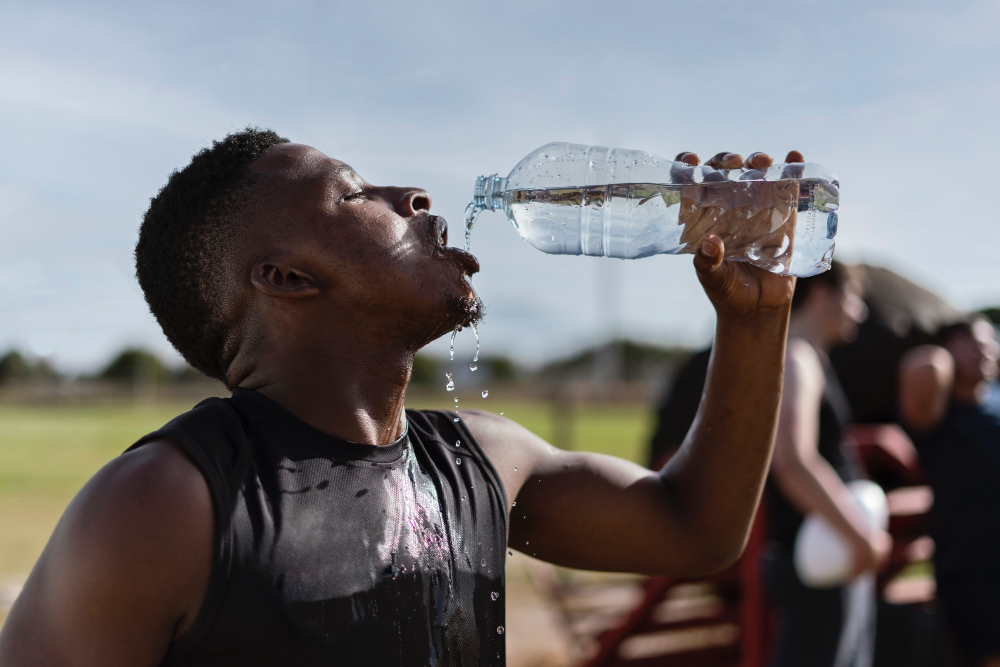
A mother notices her baby is listless and has stopped wetting diapers after a day of diarrhea. A farmer collapses in the field after working hours under the scorching sun without water. Both of these situations describe the same dangerous condition: Dehydration.
Dehydration happens when your body loses more water than you take in. It sounds simple, but in Nigeria, it is a silent emergency. It is one of the leading causes of death in young children, often resulting from diarrhea or malaria fever. The tragic part is that most of these deaths are preventable with a solution that costs almost nothing.
This guide from MyCyberClinics will teach you how to spot the early warning signs of dehydration in both children and adults. We will show you how to treat it immediately at home using simple ingredients, and how to use the MyCyberClinics app to know when it’s time to rush to the hospital.
The Problem: Why Water is Life
Our bodies are mostly made of water. We need it to cool down, digest food, and keep our blood flowing. When we lose too much water—through sweating, vomiting, diarrhea, or high fever, our organs stop working properly.
Common Causes in Nigeria:
- Diarrheal Diseases: Illnesses like Cholera or Rotavirus cause rapid fluid loss. According to UNICEF, diarrhea is the second leading killer of children worldwide, and dehydration is the main reason why.
- Extreme Heat: Working outside during the dry season or Harmattan without drinking enough water.
- Fever: High temperatures from Malaria cause the body to sweat and lose fluids quickly.
Why Treating Dehydration is Difficult
For many Nigerians, dehydration becomes deadly because of delays.
- Distance: If a child is weak from diarrhea, putting them on a motorcycle (okada) for a one-hour ride to a clinic can be exhausting and dangerous.
- Cost: Buying intravenous (IV) fluids (drips) at a hospital is expensive. Many people wait until the last minute to avoid this cost, not knowing that early treatment at home is cheap.
- Misunderstanding: Some people believe that if a child is vomiting, they should stop giving them water to “rest the stomach.” This is dangerous. Stopping fluids speeds up dehydration.
Warning Signs: What to Look For
You need to act before the situation becomes critical. The signs are different for adults and children.
Signs in Adults and Older Children:
- Extreme thirst.
- Dry mouth and sticky tongue.
- Dark yellow urine, or not urinating often.
- Dizziness or feeling lightheaded when standing up.
- Headache.
Signs in Babies and Young Children (Watch Closely):
- Sunken eyes (the eyes look like they are deep in the head).
- Sunken fontanelle (the soft spot on the top of the baby’s head curves inward).
Shutterstock
- No tears when crying.
- Dry mouth and tongue.
- Dry diaper for 3 hours or more.
- Fast breathing or heart rate.
- Skin that does not bounce back when pinched (skin pinch test).
The “Skin Pinch” Test
This is a quick way to check anyone for severe dehydration.
- Gently pinch the skin on the person’s stomach or arm.
- Let go.
- Normal: The skin snaps back immediately.
- Dehydrated: The skin goes down slowly or stays up like a tent. This is a danger sign.
How to Treat Dehydration at Home (The Solution)
The goal is to replace lost water and salts (electrolytes). Water alone is good, but water mixed with salt and sugar is life-saving medicine.
1. Oral Rehydration Solution (ORS) This is the gold standard recommended by the World Health Organization (WHO).
- Buy Sachets: You can buy ORS sachets very cheaply at any chemist or PHC.
- Mix Correctly: Mix one sachet into one liter of clean, boiled (and cooled) water. Do not guess the amount of water; too little water can make diarrhea worse.
- Drink: Sip slowly. A cup after every loose stool.
2. Salt-Sugar Solution (SSS) If you cannot get ORS sachets, you can make this emergency solution at home.
- Ingredients:
- 1 liter of clean water (about 5 pure water sachets or one beer bottle size x 1.5).
- 6 level teaspoons of sugar.
- Half a level teaspoon of salt.
- Mix: Stir until dissolved.
- Taste: It should taste like tears.
3. Zinc Supplements For children with diarrhea, giving Zinc tablets (available at chemists) for 10 days helps them recover faster and prevents future dehydration.
4. Keep Feeding Do not stop breastfeeding infants. Breastmilk is the best fluid for a sick baby. For older children, offer small amounts of food like pap or mashed rice.
When to Seek Help: Using MyCyberClinics
Home treatment works for mild to moderate dehydration. But sometimes, you need a doctor.
Use the App for Decision Support If you are unsure if your child needs a hospital drip or just ORS, use the MyCyberClinics web or mobile app.
- Chat with Chioma: Tell our health assistant, Chioma, about the symptoms. Example: “My baby has vomited 4 times today and has sunken eyes.”
- Chioma Analyzes: She will recognize the “sunken eyes” as a severe danger sign.
- Connect with a Doctor: You will be linked to a licensed doctor on the app. The doctor can assess the child via video call. If the child is too weak to drink, the doctor will instruct you to go to the nearest hospital immediately for an IV drip. If the child can drink, the doctor will guide you on exactly how much ORS to give every hour.
Go to the Hospital Immediately If:
- The person is unconscious or very hard to wake up.
- They cannot drink or keep fluids down (vomiting everything).
- There is blood in the stool.
- The condition does not improve after 24 hours of home treatment.
Common Myths About Dehydration
| Myth (What People Say) | Fact (The Truth) |
| “Stop giving water if the child is vomiting.” | Fact: Vomiting drains the body. You must keep giving small sips of fluid (ORS) every few minutes, even if they vomit some of it up. |
| “Soft drinks (minerals) are good for energy.” | Fact: Sodas and sugary juices have too much sugar, which can pull more water into the gut and make diarrhea worse. Stick to ORS or water. |
| “Teething causes severe diarrhea.” | Fact: Teething might cause loose stools, but it does not cause severe watery diarrhea or fever. Do not dismiss severe symptoms as “just teething.” |
Practical Takeaways: What You Can Do Today
- Buy ORS Today: Do not wait for sickness. Buy 2 or 3 sachets of ORS and keep them in your house. They cost very little but are priceless in an emergency.
- Download MyCyberClinics: Get the app on your phone now. Register your family so that if dehydration strikes in the middle of the night, you can ask Chioma for guidance instantly.
- Practice the Recipe: Memorize the Salt-Sugar Solution recipe (6 teaspoons sugar, half teaspoon salt, 1 liter water). Teach it to your older children.
- Boil Your Water: Prevention is better than cure. Ensure your drinking water is safe to prevent the diseases that cause dehydration.
Dehydration moves fast, but you can move faster. By keeping ORS at home and knowing the signs, you can stop a simple illness from becoming a tragedy.
Are you worried about a loved one who seems weak or thirsty after an illness? Don’t guess. Log in to the MyCyberClinics web or mobile app today. Let Chioma help you check the symptoms and connect you with a licensed doctor who can guide you to safety.