

How to Know if You Can Trust a Mobile Health App
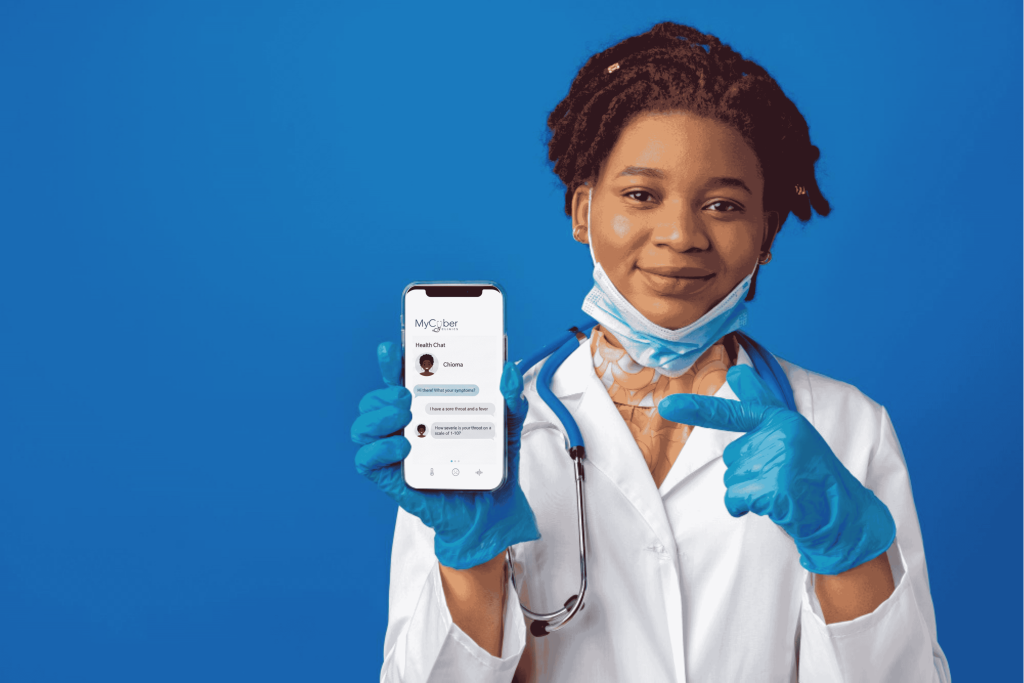
Your phone is powerful. You use it to connect with family, send money and get news. So, when you or your child gets sick, it’s natural to turn to your phone for help. This is especially true if the nearest clinic is hours away, or if you live in a city and can’t afford the time or cost to wait in a hospital queue.
This new way of getting medical help is called telemedicine or mobile health. It’s like having a doctor in your pocket. But there is a risk. The app store is full of apps. Some are excellent and connect you to real, qualified doctors. Others are scams, designed to steal your money, get your private information, or give you dangerous, fake advice.
How can you tell the difference? This post from MyCyberClinics will give you a simple checklist to spot a safe, trustworthy mobile health app, helping you protect your health and your money.
The New Clinic: Why Phones Are Bridging the Health Gap
In Nigeria, we face big challenges in healthcare. We have a shortage of doctors, especially in rural areas. The doctor-to-patient ratio is much lower than what the World Health Organization recommends. This means long waits, long-distance travel and high costs just to speak to a medical professional.
Mobile health apps are the solution. They can instantly connect you to a doctor for a low-cost consultation, saving you travel money and time. But this convenience only works if the advice you get is safe.
Red Flags: Warning Signs of an Unsafe Health App
Before you even download, look for these warning signs. If you see them, it is safer to avoid the app.
- Vague Promises of “Miracle Cures”: If an app promises to cure serious diseases like diabetes, cancer, or HIV with a “secret” supplement or a simple download, it is a dangerous scam. Real medicine does not work this way.
- Anonymous or Fake Doctors: The app talks about “our health experts” but never shows their names, photos, or qualifications. You have no idea who you are talking to.
- Excessive Personal Information: The app asks for your bank details (BVN) or card PIN before you even book a consultation. Legitimate apps will only ask for payment through a secure, standard payment gateway after you have selected a service.
- No Privacy Policy: You cannot find any information about how they protect your personal health data. This is a major red flag that your information could be sold or shared.
- Poor Reviews and Bad Design: The app has many 1-star reviews in the app store, or it is full of spelling mistakes and broken buttons. This shows a lack of professionalism.
Your 5-Point Safety Checklist for Trusting a Health App
A trustworthy app will be open and clear about its services. Use this checklist to confirm an app is safe before you use it.
1. Are the Doctors Real and Licensed in Nigeria?
This is the most important question. You must know if you are talking to a real doctor or a fake one.
- What to look for: A good app will have an “About Us” or “Our Doctors” page where you can see the doctors’ full names and qualifications.
- Check for MDCN: In Nigeria, all doctors must be licensed by the Medical and Dental Council of Nigeria (MDCN). Trustworthy apps like MyCyberClinics state clearly that their doctors are licensed to practice in Nigeria. This is in line with official telemedicine guidelines.
2. Is Your Health Information Kept Private?
Your health history is personal and must be protected.
- What to look for: Look for a “Privacy Policy” link. This document should explain how your data is stored securely and kept confidential.
- Check for NDPR: Nigeria has data protection laws (NDPR) that companies must follow. A serious app will mention its commitment to protecting your data accordingt to these laws and the Patients’ Bill of Rights.
3. Are the Costs Clear and Upfront?
You have a right to know what you are paying for.
- What to look for: The app should clearly state the price for a consultation before you pay.
- Beware of: Vague subscriptions or hidden fees that are not explained. A trustworthy app is transparent about its prices.
4. Is the App’s Purpose Clear?
Does the app know what it is for?
- What to look for: A good app focuses on connecting you with a doctor for consultations, managing your health records, or giving you accurate health information.
- Beware of: Apps that try to do everything, like mixing health advice with betting tips or unverified news.
5. Can You Contact a Real Person for Support?
What happens if your payment fails or the video call drops?
- What to look for: A clear “Contact Us” or “Help” section with a phone number or email address. This shows there is a real team behind the app to support you.
Your Action Plan for Safe Mobile Health
Your phone is a fantastic tool for your health, but only if you use it safely.
- Always Check the Doctors: Before booking, look for proof that the doctors are licensed by the MDCN to practice in Nigeria. This is your number one sign of quality.
- Read the Privacy Policy: Take one minute to find and read the app’s privacy policy. If it’s missing, delete the app.
- Trust Your Gut: If an app feels unprofessional, promises miracles, or asks for strange information, do not use it.
- Use Telemedicine Correctly: Use apps for common issues like malaria advice, skin rashes, prescriptions, or follow-up questions. For emergencies like severe bleeding, difficulty breathing, or loss of consciousness, go to the nearest hospital immediately.
Don’t guess with your health. At MyCyberClinics, all our doctors are fully licensed in Nigeria, our pricing is clear and your data is kept 100% confidential. Get the trusted medical advice you deserve.
Talk to one of our verified doctors today and experience healthcare you can trust, right from your phone.