

How to Prevent the Spread of Infectious Disease in Crowded Homes
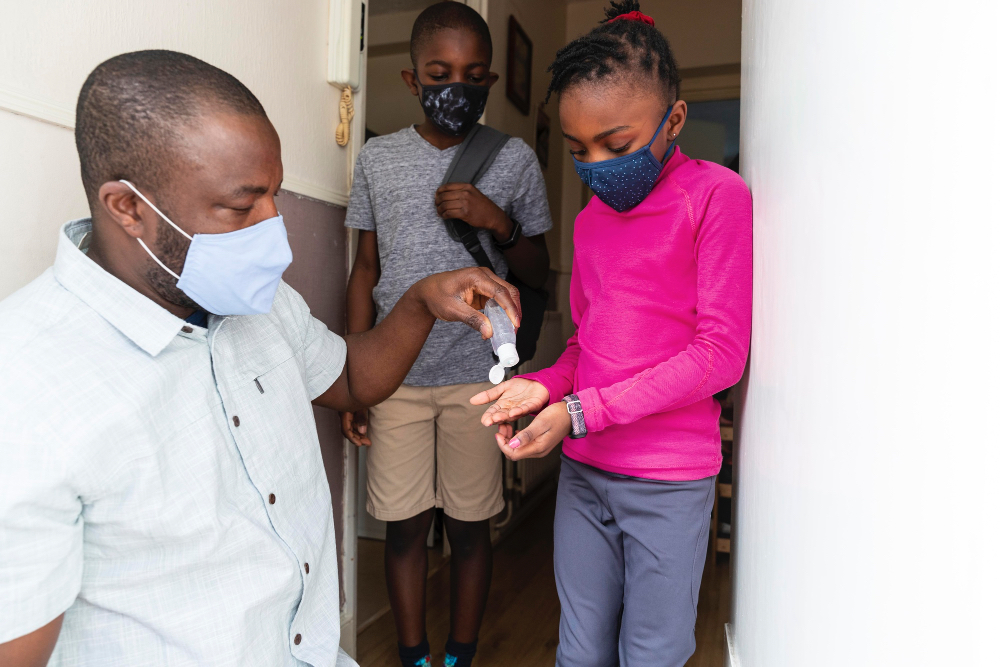
In many parts of Nigeria, living together is a way of life. Whether it is a large family sharing a compound in the village or tenants living in a “face-me-I-face-you” apartment in the city, sharing space is common. While this community living brings support and joy, it also brings a specific danger when sickness strikes.
When one person gets a cough, a fever, or a skin rash, it often moves through the house like a bushfire. Before you know it, the children, the parents, and even the grandparents are ill. In tight spaces, germs do not need to travel far to find a new host.
This blog post from MyCyberClinics is your practical guide to fighting back. We will show you how to create safety zones in small spaces, simple hygiene tricks that cost almost nothing, and how to use our web and mobile app to get medical advice without risking spreading the sickness to others on public transport.
The Invisible Enemy: How Germs Travel in Crowds
Infectious diseases are caused by germs (viruses, bacteria, or fungi) that spread from person to person. In a crowded room, these germs have a huge advantage.
The Main Routes of Infection:
- The Air: When a sick person coughs or sneezes, tiny droplets float in the air. In a small, closed room, others breathe this in. This spreads flu, Tuberculosis (TB), and COVID-19.
- Shared Surfaces: Doorknobs, kettle handles, jerry cans, and remote controls are touched by everyone. If a sick person touches their nose and then the door handle, the next person to touch it picks up the germ.
- Shared Items: Sharing towels, sponges, or cups is a fast way to spread skin infections like ringworm or stomach bugs like typhoid.
The Nigeria Centre for Disease Control (NCDC) consistently highlights that overcrowded living conditions are a primary driver for the rapid spread of respiratory and contact diseases across the country [Source].
Why It Is Hard to Stay Safe
We understand that “isolating” a sick person is easier said than done. The barriers are real.
- Lack of Space: How do you separate a sick child when the whole family sleeps in one room?
- Shared Facilities: In many urban settlements, ten families might share one kitchen and one bathroom. You cannot avoid these areas.
- Ventilation: To keep out mosquitoes or thieves, windows are often kept shut, trapping stale air and germs inside.
- Cost: Buying separate disinfectants, masks, or sanitizers for everyone is expensive.
Practical Steps to Protect Your Home (Low Cost)
You do not need a bigger house to stop the spread. You need a strategy. Here are effective ways to break the chain of infection.
1. Create a “Sick Corner”
If you cannot give the sick person their own room, give them a specific corner.
- Move their sleeping mat or bed to the corner furthest from the door or the center of activity.
- Hang a sheet or curtain around their area if possible. This catches some of the droplets from coughing.
- Rule: Only one caregiver should enter that space or attend to them. This limits the number of people exposed.
2. Open the Windows (Cross Ventilation)
This is the most powerful tool against airborne diseases like Tuberculosis.
- Germs love stagnant air. Open windows on opposite sides of the room to let a breeze blow the germs out.
- Even opening them for 10 minutes every hour makes a huge difference.
3. The “No-Share” Rule
Strictly separate the sick person’s items.
- Eating: They should use their own plate, spoon, and cup. Wash these items immediately after use with soap and water, separate from the main pile of dishes.
- Hygiene: They must have their own towel and sponge. Do not hang their wet towel touching others.
4. Disinfect High-Touch Points
You do not need expensive sprays.
- Mix a little bleach with water (1 part bleach to 9 parts water).
- Once a day, wipe down the doorknobs, the handle of the toilet, and the tap of the water bucket. These are the “germ highways” in your house.
When to Seek Help: Using Technology to Stay Safe
One of the worst things a sick person can do is get on a crowded bus to go to a hospital for a minor checkup. They risk infecting everyone on the bus and in the waiting room.
Use MyCyberClinics for Triage
This is where technology protects your community. You can get a diagnosis without leaving your “Sick Corner.”
Step 1: Use the Web or Mobile App
Do not look for a phone number to call. Open the MyCyberClinics app on your phone.
Step 2: Chat with Chioma
Chioma, our AI assistant, is your first line of defense. Describe the symptoms clearly.
- Example: “My brother has a high fever and a rash, and we live in one room with three children.”
- Chioma will analyze the symptoms to see if it might be measles, chickenpox, or something else.
Step 3: Consult a Doctor
Chioma will connect you to a licensed doctor on the platform. Through a video consultation, the doctor can look at the patient and advise you.
- If it is manageable, they will prescribe medication you can buy at a nearby chemist.
- If it is a dangerous contagious disease (like Lassa Fever or Cholera), they will instruct you on exactly how to transport the patient safely to the hospital.
Common Myths About Spreading Germs
Myth: “The heat in Nigeria kills all germs.”
Fact: This is false. While some germs dislike heat, many (like Lassa fever or flu viruses) thrive in our environment. Crowded, hot rooms can actually make spreading easier if there is no airflow.
Myth: “My family has strong blood; we don’t catch sickness easily.”
Fact: Immunity is real, but “strong blood” is not a medical protection. Everyone is vulnerable to new viruses or bacteria, especially children and the elderly. Relying on this belief stops people from taking simple precautions.
Myth: “I should stop bathing if I have a fever to avoid cold.”
Fact: Good hygiene is crucial when sick to wash away sweat and germs. A lukewarm sponge bath helps lower fever and keeps the skin clean.
Practical Takeaways: What You Can Do Today
- Identify Your “Sick Corner”: Look at your house today. If someone got sick tonight, where would they sleep? Decide this now so you are ready.
- Buy Bleach: Keep a small bottle of bleach. It is the cheapest and most effective way to kill germs on surfaces.
- Download the App: Download the MyCyberClinics mobile app and register your family. Having a doctor in your pocket means you don’t have to panic when sickness enters your home.
- Teach Cough Etiquette: Teach your children to cough into their elbow, not their hands. This simple habit stops germs from getting onto toys and doorknobs.
Living in a crowded space is a reality for many, but getting sick does not have to be a family event. By managing your space and using digital health tools, you can build a wall of protection around your loved ones.
Do not let a small sickness take over your whole house. If someone in your home is showing signs of infection, log in to the MyCyberClinics web or mobile app immediately. Let Chioma analyze the symptoms and connect you with a doctor who can help you manage the illness safely at home.