
Common Perimenopause Symptoms and How to Manage Them Effectively
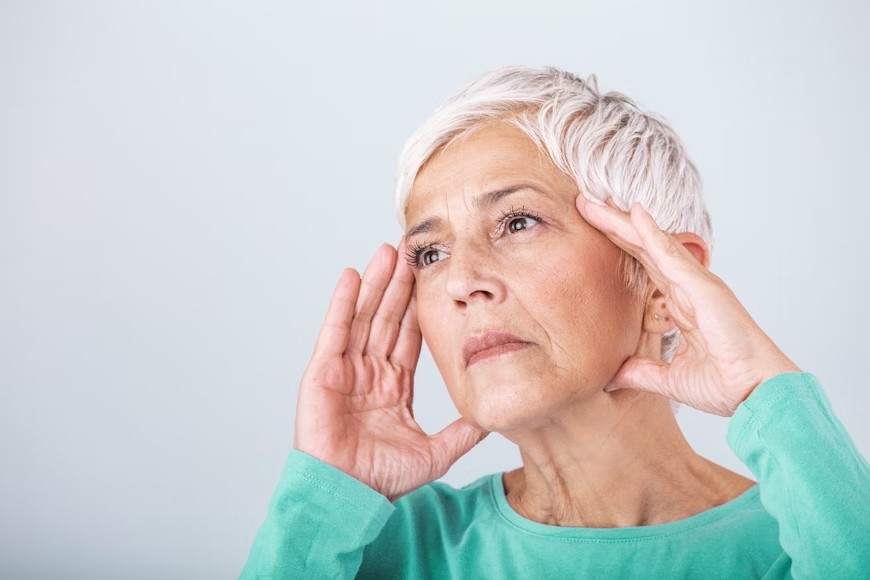
Perimenopause is an uncertain phase that shows the change into menopause which comes with different hormonal shifts.
These changes which are natural occurrences as a result of aging and may range from mood swings to hot flashes.
At such times, you may become worried about these changes which can affect both your emotions and mind. But nevermind, you are not alone, there are unique ways you can adopt to help you manage perimenopause signs effectively.
This article contains common perimenopausal symptoms and effective tips to help you get over perimenopause anxiety and reconnect to your true self.
What Is Perimenopause?

Perimenopause can be described as the stage where the body moves from the reproductive phase into menopause.
Perimenopause signs start showing up in a woman from mid 40’s (although some women may begin to experience symptoms from as early as late 30’s) and it may remain so for some months or even years.
During this phase, hormone levels change inconsistently, leading to diverse symptoms like hot flashes, sleep disturbances, irregular periods, mood swings, and more. This is a normal way the body transits into menopause, away from the reproductive years.
Due to this challenging phase, a lot of women may experience perimenopause anxiety, but fortunately there are natural remedies for perimenopause that will help calm down the nerves. In the later part of this article, more light will be shed on these natural remedies for perimenopause.
What Are the Causes Of Perimenopause
The causes of perimenopause differs in women and can affect the mental, physical, and emotional well being. They may include;
- Aging Ovaries
As a woman gets older in age, it reflects on all the organs of her body in which her ovaries are not exempted. The ovaries grow weaker, losing their ability to function properly as you age. They won’t produce hormones regularly and will no longer release eggs. This development will cause an uncertain rise and fall of the estrogen levels which will initiate the symptoms that are associated with perimenopause.
- Reduced Fertility
The chances of fertility gradually dwindles due to fewer ovulations and irregular cycles. Although there are still chances of conception but may become totally impossible once menopause is reached.
- Lifestyle
There are habits that can trigger the occurrences of perimenopause signs in a woman. These lifestyle may include;
- Alcohol
- Poor Diet
- Smoking
- Chronic stress
- Lack of Exercise
- Inadequate Sleep
- Excessive use of stimulants
Others may include;
- Genetics
- Ovary removal
- Autoimmune diseases
- Chemotherapy or radiation
- Endocrine-Disrupting Chemicals
Endocrine-disrupting chemicals can be found in pesticides, plastics, and some body care products.A constant exposure to the chemicals can disrupt the hormone function and initiate an earlier perimenopause.
Common Symptoms of Perimenopause
Perimenopause symptoms depend on severity and frequency hence the reason for the different experience women have.
Some of these symptoms may be;
- Irregular Periods
Irregular periods may mean a lighter, longer, heavier, or shorter cycles which may be uncertain.
- Hot Flashes
This is another perimenopause symptom that implies a sudden feeling of heat usually around the neck, on the chest, or on the face and it may sometimes be accompanied by chills and sweat.
Hot flashes can occur at any time of the day and when it occurs in the night, it can prevent you from having a sound sleep.
- Mood Swings
This could be a sudden change in character, unnecessary worries, irritability, and more. You may also find it difficult to fall asleep which will result in fatigue due to poor sleep.
- Decreased Libido
The desire for sex will reduce and a woman could experience dryness in the vaginal that will make sex painful.
What Are The Natural Remedies for Perimenopause
Hormone therapy is one of the options employed in addressing the issue of perimenopause in women but there are effective natural remedies for perimenopause that can be adopted to manage the symptoms.
- Herbal Remedies
There are some herbs that can help to ease perimenopause symptoms and they are:
- Chasteberry enhances the production of progesterone and can help to stabilize menstrual cycles.
- Red Clover contains phytoestrogens capable of improving heart health and relieving one of hot flashes.
- Black Cohosh is a popular herb that helps to reduce hot flashes and maintain a positive mood.
- Ashwagandha eases stress hormones and perimenopause anxiety.
- Dong Quai is a Chinese herb that is known to be effective for balancing hormones and building blood properties.
- Maca Root helps to improve desire for intimacy, energy, and maintain a positive mood,
Note- Make sure to speak with your medical expert before using any of the medications.
- Nutrition

A healthy diet does wonders like any drug or supplement. Focus on eating foods and supplements that are rich in magnesium, vitamins, Omega-3, and Calcium.
Drink water regularly, reduce your intake of sugar, and avoid smoking.
- Exercise

Regular exercise of not less than 30minutes will help to maintain weight gain, reduce stress, and boost your mood. Practice yoga, and deep breathing.
Try to maintain a regular bedtime and avoid a noisy sleeping environment.
Final Thoughts
Perimenopause symptoms indicate a major change in a woman’s life and while the symptoms may be frustrating and overwhelming, a good understanding of your body changes will be the first step to taking control.
Stay informed, adopt healthy habits, and seek medical advice when needed.
The more you take care of yourself the better, stronger and more balanced you’ll be.
Frequently Asked Questions
Here’s a list of common questions people ask.
- What Is the Average Age Perimenopause Starts?
Perimenopause in most women starts between the ages 40 and 45, although it could be earlier in some women.
- How Long Does Perimenopause Last?
Perimenopause can last for 5 years before menopause is attained
- Can I Still Conceive During Perimenopause?
Ovulation can still occur even though fertility declines, chances may be minimal if you have gone up to 12 months without seeing your period.
- What is the Difference Between Menopause and Perimenopause?
Perimenopause is the phase a woman experiences before menopause while Menopause is said to have occurred if perimenopause lasted more than 12 months without a period.
- What Are the First Perimenopause Signs?
First signs include:
- Hot flashes
- Mood swings
- Sleep troubles
- Irregular periods
- Breast tenderness
- When.Should I See A Doctor for Perimenopause Symptoms?
if symptoms becomes severe, or you experience any of these;
- Constant pain
- Excessive bleeding
- Sudden mood shifts
- Bleeding between cycles