

Risks of Self-Medication: What You Must Know
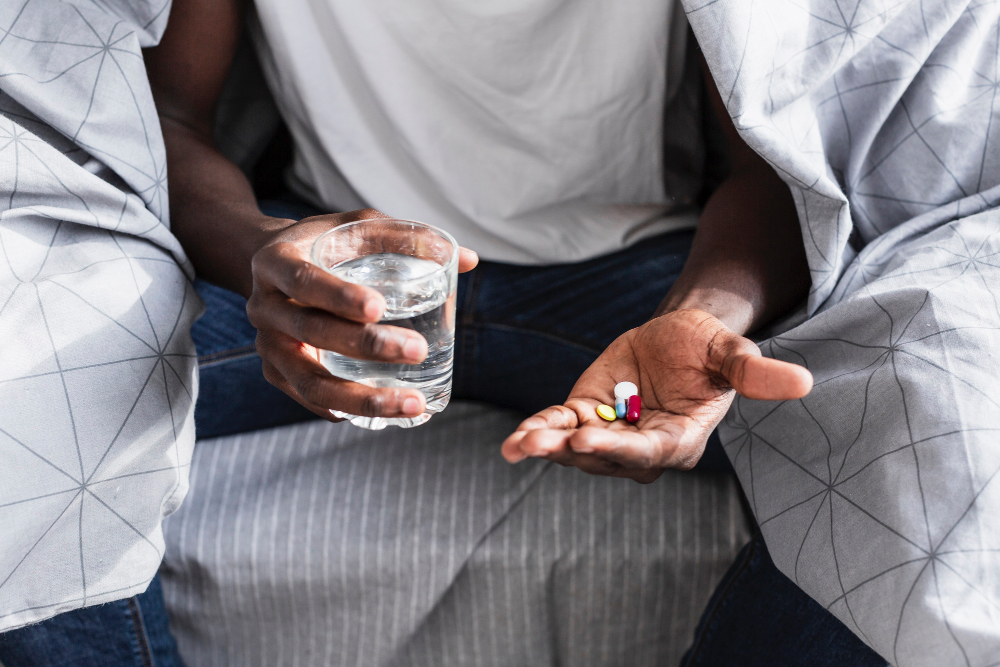
You wake up with a headache and fever. Your first thought is malaria. Or maybe it’s typhoid? You don’t have time or money to go to the hospital and wait in a queue. It’s much faster to walk to the local chemist shop. You describe your symptoms and the seller gives you an antimalarial, an antibiotic “just to be sure,” and some painkillers.
This is self-medication: using drugs to treat yourself without a doctor’s prescription or advice. In Nigeria, this is extremely common. But while it feels like a cheap and fast solution, it is one of the most dangerous gambles you can take with your health.
This post from MyCyberClinics will explain why we self-medicate, what the hidden dangers are and what safer, low-cost alternatives you can use to get the right treatment.
Why We Treat Ourselves (And Why It’s Risky)
Let’s be honest: visiting a clinic is not easy. We understand the barriers you face every day.
- The nearest hospital might be hours away and transport is expensive.
- Public hospitals can have long queues, meaning you lose a whole day’s work.
- The cost of a consultation and lab tests can be too high for a tight budget.
- The local chemist or patent medicine vendor is close, fast and cheap.
Because of these challenges, many Nigerians turn to self-medication. A 2018 study in Nigeria confirmed that this practice is very high, often because people feel their illness is “minor” or they’ve had the symptoms before.
But this convenience comes at a very high price.
The Hidden Dangers: What You’re Risking
When you treat yourself without a doctor’s diagnosis, you are taking a guess. Here are the dangers of guessing wrong.
1. You Might Have the Wrong Sickness (Misdiagnosis)
Fever, headache and weakness are common symptoms for many illnesses, including:
- Malaria
- Typhoid
- A severe viral infection (like the flu)
- Even early signs of Lassa fever
If you treat malaria when you actually have typhoid, you are not getting better. The typhoid infection continues to get worse and by the time you finally see a doctor, your condition may be critical and much more expensive to treat.
2. You Are Creating “Super Germs” (Drug Resistance)
This is the most serious danger. When you use antibiotics or antimalarials incorrectly, you teach the germs how to survive the drug.
- The Problem: You take an antibiotic for a cough or cold (which are caused by viruses, not bacteria). The antibiotic doesn’t kill the virus, but it kills all the “good” bacteria in your body, allowing the few “bad” resistant bacteria to grow and multiply.
- The Result: The next time you have a real bacterial infection, that antibiotic will not work. These “super germs” (resistant bacteria) are harder to kill, requiring stronger, more expensive and more toxic medicines.
- The World Health Organization (WHO) calls antibiotic resistance one of the biggest threats to global health today. Your actions contribute directly to this.
3. You Are Hiding the Real Problem (Masking Symptoms)
Taking painkillers for a persistent problem is like turning off a fire alarm while the house is still burning.
- A constant headache might not be stress. It could be a sign of dangerously high blood pressure (hypertension), which can lead to a stroke.
- Persistent stomach pain that you treat with antacids might be a stomach ulcer or even early signs of cancer.
By “treating” the symptom, you are ignoring the real, underlying disease until it becomes an emergency.
4. You Risk Overdose and Organ Damage
How much is too much?
- Taking too much Paracetamol (Acetaminophen) can cause severe, irreversible liver damage. Many people accidentally overdose by taking multiple cold and flu medicines that all contain Paracetamol.
- You might take two drugs that interact badly, causing serious side effects.
- You might buy your drugs from a street hawker, increasing your risk of getting fake or substandard drugs.
Busting Common (and Dangerous) Myths
| Myth (What People Often Say) | Fact (The Safer Reality) |
| “Adding an antibiotic to my malaria drug ‘clears’ the infection faster.” | False. Antibiotics kill bacteria. Malaria is caused by a parasite. Taking an antibiotic for malaria is useless, wastes money and builds drug resistance. |
| “I know my body. I’ve had this feeling before, so I know what to take.” | Dangerous. Many illnesses feel the same at the start. You cannot know if it’s the same problem or something new and more serious without a proper diagnosis. |
| “Taking an incomplete ‘half-dose’ of a drug is safer.” | Extremely False. This is called underdosing. It’s not strong enough to kill all the germs but is perfect for teaching them how to become resistant. It’s one of the worst things you can do. |
A Safer, Smarter Path: What to Do Instead
Feeling sick and worried about cost is a real problem. But guessing is not the answer. Here are safer, low-cost steps.
- Use Your Phone First (The Smart Solution):
This is the fastest, cheapest and most private way to avoid self-medication. Instead of going to a chemist, use your phone to contact a doctor using the MyCyberClinics mobile app.- For a very low cost, you can talk to a licensed doctor in minutes.
- You can describe your symptoms privately.
- The doctor will ask the right questions to understand the real problem.
- They can tell you if you need a specific test (like a malaria test) or if you just need rest and fluids.
- They will tell you exactly which medicine to buy, saving you from wasting money on drugs you don’t need.
- Use Your Local PHC:
Your Primary Healthcare Centre (PHC) is your best local resource. Go there for simple, low-cost diagnostic tests, like a malaria test or a blood pressure check. A test is not a guess. - For Minor Ailments, Use Safe Home Care:
If you have a mild cold or body ache, start with these:- Rest: Give your body time to fight.
- Fluids: Drink plenty of clean water.
- Fever/Pain: Use only the recommended dose of Paracetamol.
Your Action Plan: Stop Guessing, Start Knowing
Don’t gamble with your health. The money you “save” today by self-medicating could cost you your health (and much more money) tomorrow.
- Stop the Guesswork: Make a promise to yourself to never buy antibiotics or antimalarials without a doctor’s prescription or a positive test result.
- Know Your Local PHC: Find your nearest Primary Healthcare Centre and use it for basic tests.
- Save the MyCyberClinics App: Save MyCyberClinics app on your phone. Think of it as your go-to place to reach a private doctor, available 24/7.
- Listen to Your Body, Then Ask a Professional: It’s good to know your body, but it’s smarter to let a trained professional interpret what your body is saying.
Don’t gamble with your health or your family’s future. Before you buy that next drug, talk to a professional. It’s affordable, it’s fast and it’s the right thing to do.
Get a safe, private and low-cost consultation from a licensed doctor on MyCyberClinics today.