
Simple first aid steps everyone should know
Imagine your child falls while playing and cuts their knee badly, or a family member burns their hand while cooking. In that moment of panic, what do you do first? If you live in a village many hours from the nearest hospital, or even in a crowded city where traffic makes a quick trip impossible, those first few minutes are critical. The simple actions you take right away can make a huge difference between a minor issue and a serious complication.
In Nigeria, where accessing healthcare can sometimes be difficult due to cost, distance, or doctor shortages, knowing basic first aid is not just helpful, it’s essential. This article gives you practical, easy-to-understand steps to handle the most common household and everyday emergencies. We will cover what to do, what not to do and when you absolutely must seek professional medical help.
The Unexpected Happens: Common Injuries at Home
Accidents don’t send a warning. They happen in the kitchen, on the farm, or even on the street. The most common minor emergencies that happen every day include:
- Cuts and Scrapes: From a knife slip to a grazed knee.
- Minor Burns: Touching a hot pot, oil splatter, or a small fire.
- Sprains and Strains: Twisting an ankle while walking or lifting something heavy.
- Nosebleeds: Common, especially in hot or dry weather.
- Fever: A high temperature, which is often the first sign of infections like malaria.
It is estimated that injuries account for a significant portion of all hospital visits in Nigeria and many of these begin as small accidents that could be managed effectively with basic knowledge.(source)
Why Quick Help Can Be Hard to Find
Getting professional help fast is a major challenge for many Nigerians. It is important to acknowledge these barriers without judgment:
- Distance to Care: For people in remote areas, a Primary Healthcare Center (PHC) might be far, making rapid response difficult, especially after dark.
- Cost of Transportation: Even a short trip for a minor injury can become expensive when you consider taxi fares or fuel costs.
- Hospital Congestion: In urban centers, long queues and limited staff can mean hours of waiting, even for a non-life-threatening injury.
- Limited Knowledge: Often, people do the best they know how, but incorrect traditional methods or lack of knowledge can sometimes worsen a simple injury.
Because of these hurdles, knowing simple first aid becomes your powerful, low-cost tool for immediate care.
Essential First Aid You Can Do Now
Here are simple, effective steps for the most common accidents. Remember: the goal is to stabilize the person and prevent the injury from getting worse.
1. Treating Minor Cuts and Scrapes
A small cut or scrape is usually manageable at home.
- Step 1: Stop the Bleeding. Apply gentle, steady pressure directly onto the wound using a clean cloth or bandage for several minutes. Do not peek to check the bleeding; keep the pressure steady.
- Step 2: Clean the Wound. Once the bleeding stops, gently wash the area with clean, running water and mild soap. Do not use spirit, engine oil, or local powders that can cause pain or infection.
- Step 3: Cover It. Apply a small amount of antiseptic cream (like savlon or iodine solution) and cover the cut with a clean bandage or plaster to keep it protected from dirt.
- Watch Out For: Signs of infection, like redness, swelling, pus coming from the wound, or increased pain after a day or two.
2. Handling Minor Burns (Oil, Water, or Fire)
For a small burn that is not blistering and is only on the top layer of skin:
- Step 1: Cool Immediately. Place the burned area under cool, running water for at least 10 minutes. This stops the burning process and reduces pain.
- Step 2: Cover Gently. After cooling, pat the area dry with a clean cloth. Cover the burn loosely with a clean, dry cloth or sterile bandage.
- What NOT to Do: Never apply butter, oil, toothpaste, or local mixtures to a burn. These can trap heat, cause infection and make the doctor’s job harder later.
3. Dealing with Sprains (Twisted Joints)
If someone twists an ankle or knee and it starts to swell, use the R.I.C.E. method:
- Rest: Stop using the injured part immediately.
- Ice: Apply a cold compress or a bag of ice wrapped in a cloth to the swollen area for 15-20 minutes every few hours. This reduces swelling.
- Compression: Wrap the area gently but firmly with a bandage to reduce swelling. Make sure the wrap isn’t too tight!
- Elevation: If possible, keep the injured limb raised above the level of the heart to help with swelling.
Common Myths and Dangerous Practices
Many people rely on traditional methods that can actually cause more harm.
| Myth (What People Often Do) | Fact (Correct and Safer Action) |
| Applying engine oil or spider webs to stop bleeding. | Engine oil and webs can introduce dirt and serious infection into an open wound. |
| Correct Action: Apply steady, clean pressure and wash with clean water and soap. | |
| Giving food, water, or drink to an unconscious person. | They can choke and the food can enter their lungs. |
| Correct Action: Keep them safe and lying on their side (recovery position) while waiting for help. Do not give them anything by mouth. | |
| Popping blisters from a burn. | Blisters protect the new skin underneath. Popping them increases the risk of serious infection. |
| Correct Action: Cool the burn with water and cover the blister loosely with a clean dressing. |
When to Seek Professional Help (And How)
While basic first aid is powerful, it is only a temporary fix. You must get professional help immediately if you see any of these warning signs:
- Wounds that are deep, wide, or won’t stop bleeding after 10 minutes of direct pressure.
- A severe burn with large blisters, or one that covers the hands, face, or sensitive areas.
- A suspected broken bone (the limb looks unnatural, or the person cannot move it at all).
- Any sign of severe reaction, like difficulty breathing, confusion, or loss of consciousness.
- The injured person is a baby or a very elderly person.
How to Seek Help in Nigeria:
- Call or Chat a Doctor: If the situation is urgent but not immediately life-threatening, use telemedicine platforms like MyCyberClinics. You can get immediate advice on what to do next, saving precious time and money on unnecessary travel.
- Primary Healthcare Centers (PHCs): These are the closest and most accessible option in many rural communities and should be your first stop for non-emergency professional care.
- Community Health Workers: Many villages have trained community health workers who can provide immediate basic assistance and guidance on where to go next. In 2021, the Nigerian Government reported a significant number of PHCs active across the country, making them a key resource for accessible care.
Your Action Plan for Preparedness
Taking a few simple steps today can ensure you are ready to help yourself or someone else tomorrow.
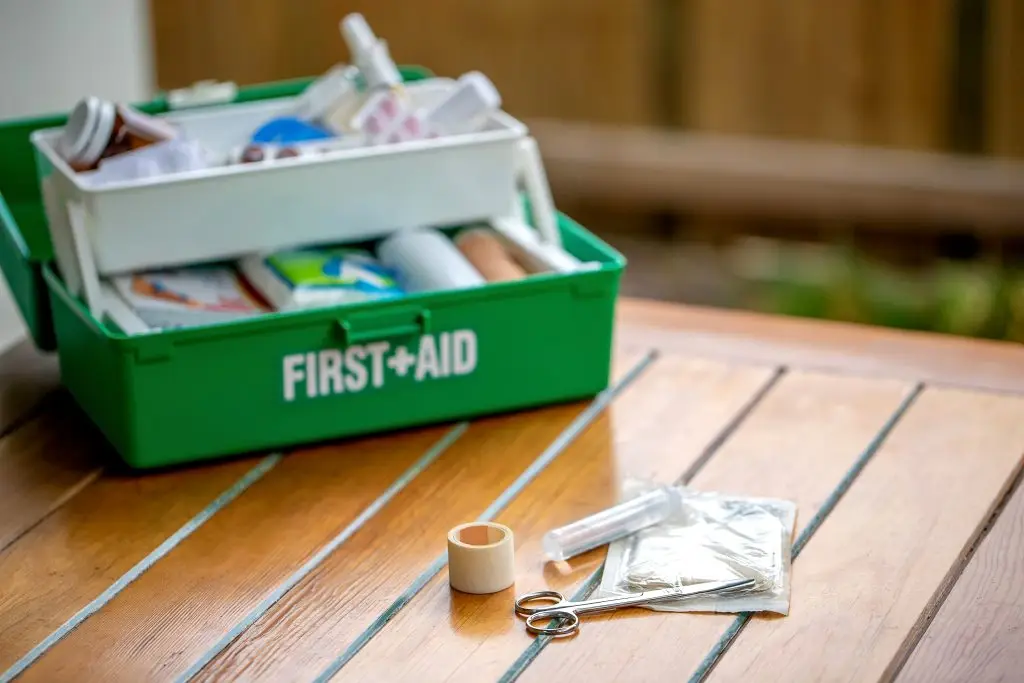
- Create a Simple First Aid Kit: Gather essentials like plasters, clean bandages, antiseptic cream (like iodine or spirit), mild pain relief (like Paracetamol) and a clean, sharp pair of scissors. Store it in a recognizable place.
- Save Emergency Contacts: Write down the phone number for the nearest PHC, your doctor, or make sure the MyCyberClinics mobile app is on your phone.
- Learn CPR Basics: Ask your local community health worker or a health organization about basic Cardiopulmonary Resuscitation (CPR) training. Knowing how to help someone who is not breathing can save a life.
- Stay Calm: In any emergency, the most important thing is to stay calm and think clearly. Your calm demeanor will help the injured person, too.
Knowing these simple steps gives you the power to act quickly and confidently. Be prepared, be safe and empower your community with this essential knowledge.
Don’t wait for an emergency to learn these skills. Share this vital information with your family and neighbors. For professional medical advice on managing injuries or any health concern, visit MyCyberClinics.app to connect with a licensed doctor today.