

Mucinex: What It Treats, When to Take It, and When to See a Doctor Instead
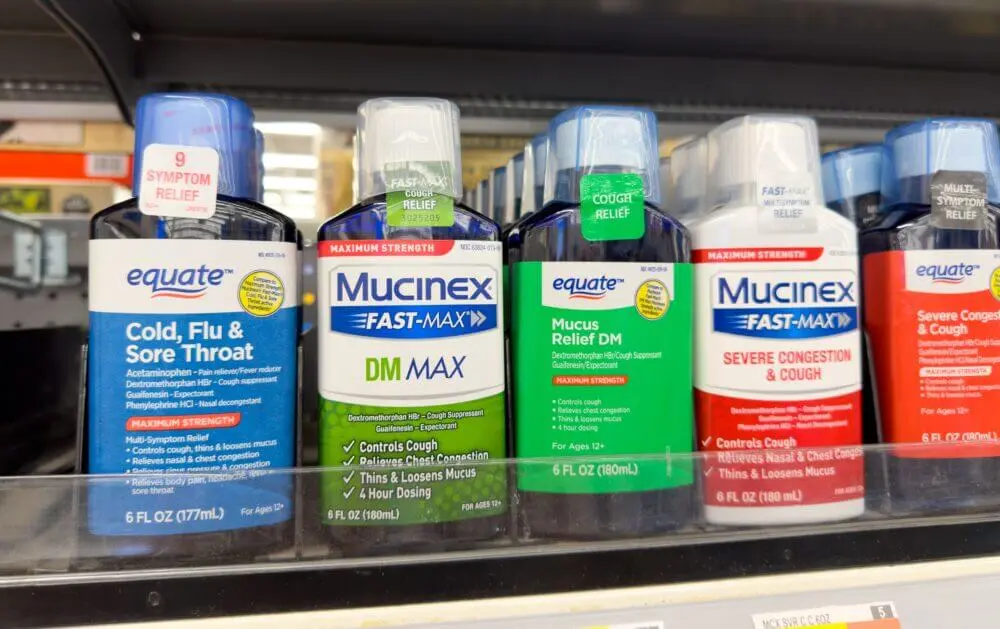
Mucinex is an over the counter drug that can be purchased without a prescription. It contains guaifenesin and dextromethorphan (a cough suppressant) that helps to loosen mucus in the airways hence making it easier to cough out the mucus and breathe easily.
Mucinex only targets mucus buildup in the respiratory but doesn’t stop the cough reflex while Mucinex DM is useful where mucus is present but coughing is too frequent. The extra ingredient contained in Mucinex DM reduces the urge to cough.
In this article, you will find out how mucinex works, the different mucinex dosage forms, how to take mucinex, its common side effects and when to seek medical help.
When Is The Best Time To Take Mucinex

Mucinex should be taken with food although having it before meals is not harmful, it’s only that it can sometimes result in a stomach upset in some individuals.
It is not recommended for kids below the age of 12 except otherwise advised by doctors but the normal dosage for children above the age of 12 and older adults is one tablet in every 12 hours. Take plenty of water while taking Mucinex because it will help to improve the ability of the drug to loosen mucus, making the drug work better.
In case you are taking other cough or cold supplements, be sure the ingredients do not also contain guaifenesin to prevent a double dose.
Pregnant women and individuals with severe breathing problems and other chronic health conditions like asthma, should consult a healthcare provider before use.
If you notice that the symptoms worsen after one week of use, make sure to see a doctor instead of continuing with the medicine.
Understanding how to take Mucinex will not only help you to get the best of the drug, it will also save you from precautions you may suffer from an overdose.
Common Side Effects

Mucinex is safe, but some individuals may experience side effects such as:
- Dizziness or headache
- Nausea or upset stomach
- Diarrhea or vomiting
- Itching
- Swelling
- Rash
If you experience allergic reactions, stop taking the medicine and seek medical assistance immediately.
Final Thoughts
Mucinex remains a helpful medication for easing off chest congestion by loosening mucus, which makes it easier to cough.
While generally safe when taken as instructed,, it is essential to read labels carefully,and stick with the recommended dosage. Also avoid using it with medicines that contain guaifenesin.
Those with chronic conditions, pregnant women, and breastfeeding mothers, should consult a doctor before use.
Stay hydrated and adopt healthy practices proper nutrition while using Mucinex.
Where symptoms persist or worsen, seek medical attention immediately.
Frequently Asked Questions on Mucinex
1. What is Mucinex used for?
Mucinex is an over the counter medicine that helps to loosen and thin mucus in the airways. It is often used to relieve chest conditions caused by flu, colds,, or bronchitis.
2. How does Mucinex work?
The active ingredient present in Mucinex is guaifenesin determines how Mucinex works. It makes mucus less thick. making it easier to clear the lungs.
3.How To Take Mucinex?
Read and follow the instructions on the package. Don’t administer the drug yourself.. Although the standard Mucinex dosage forms for teenagers and adults is one tablet every 12 hours with plenty of water.
4.What are the common side effects?
Possible side effects of Mucinex include nausea,, headache, stomach upset, and dizziness,
5. Can I take Mucinex for a Dry Cough?
Mucinex is not so effective for coughs without mucus. hence may not be a perfect option for a dry cough.
6. Is Mucinex Safe During Pregnancy Or Breastfeeding?
Pregnant or breastfeeding women should seek a doctor’s advice before taking Mucinex.
7. What is The Difference Between Mucinex and Mucinex DM?
Mucinex contains only guaifenesin for clearing the chest congestion but the latter has an additional ingredient known as dextromethorphan which helps to suppress coughing, making it a perfect choice for people with both mucus and persistent cough.
8.Can I take Mucinex With Other Medications?
Avoid using Mucinex with other medicines especially those that contain guaifenesin or similar ingredients except advised otherwise by a doctor.