What Are the Early Signs of Diabetes? Symptoms You Should Never Ignore
Quick answer
Think your ongoing fatigue is just due to a busy lifestyle? It could be an early warning sign of something more serious. Many people live with high blood sugar for months or years without realizing it. From frequent urination and constant thirst to blurred vision and slow-healing wounds, discover the subtle early signs of diabetes and learn when it is time to consult a doctor.
What Are the Early Signs of Diabetes? Symptoms You Should Never Ignore
Many people live with diabetes for months or even years before they realize something is wrong.
The symptoms often develop gradually. Because they do not appear suddenly, it is easy to dismiss them as stress, aging, poor sleep, or a busy lifestyle. You may notice that you feel more tired than usual, start drinking more water throughout the day, or find yourself waking up at night to urinate more often.
Individually, these changes may not seem alarming. However, when several symptoms appear together, they could be your body's way of warning you that your blood sugar levels are becoming too high.
Why Does Diabetes Develop?
Your body uses a hormone called insulin to help move sugar from your blood into your cells, where it is used for energy. When diabetes develops, your body either does not produce enough insulin or cannot use insulin properly.
As a result, sugar begins to build up in the bloodstream instead of being used efficiently by the body's cells. This is why many people with diabetes experience symptoms related to both high blood sugar and low energy.
Common Early Symptoms of Diabetes
Why Am I Urinating More Often?
One of the earliest and most common signs of diabetes is frequent urination. When blood sugar becomes too high, your kidneys work harder to remove the excess sugar from your body.
This process pulls more water into your urine, causing you to urinate more often than normal. Some people notice they are making frequent trips to the bathroom during the day, while others find themselves waking up multiple times during the night to urinate. If this change continues without an obvious explanation, it is worth paying attention to.
Why Am I Always Thirsty?
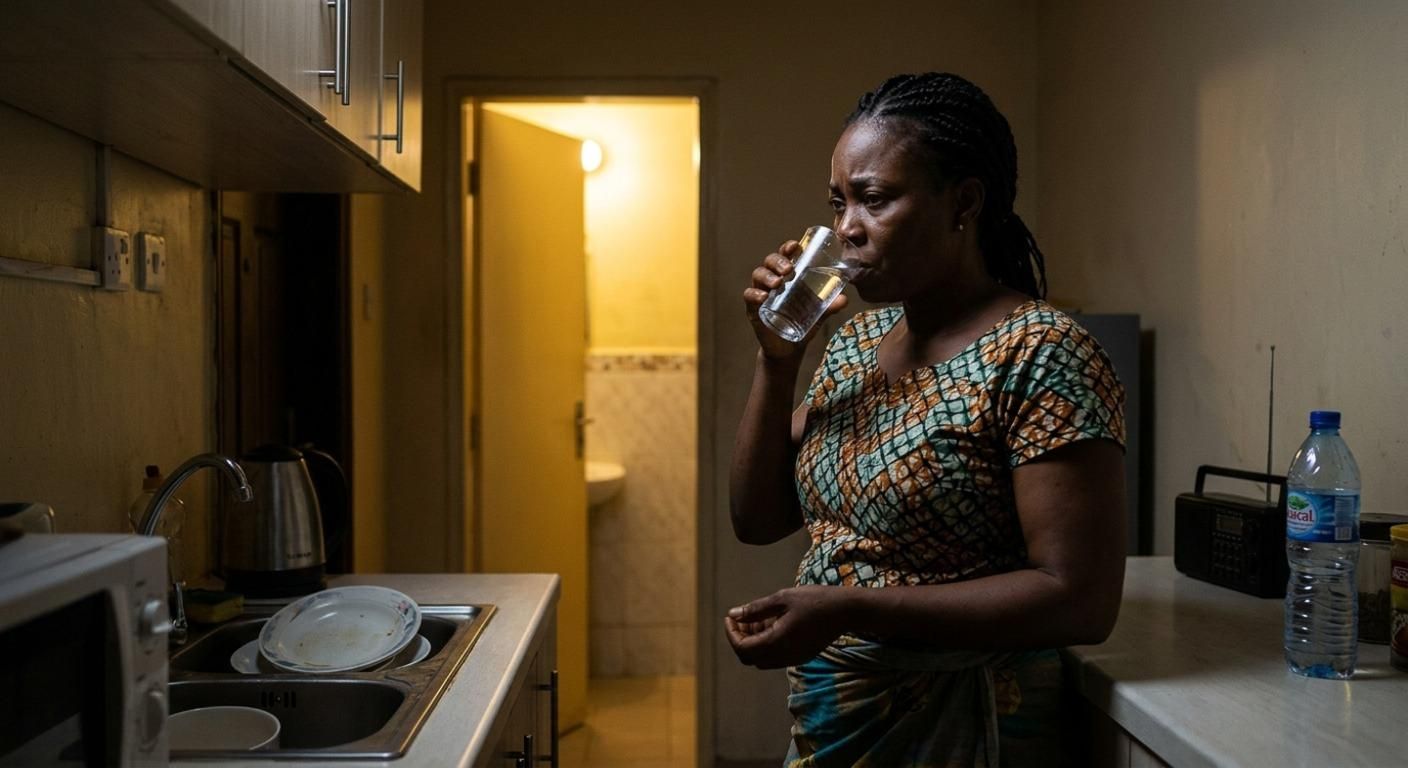
Many people with diabetes notice that they are constantly thirsty. This often happens because frequent urination causes the body to lose more fluids than usual.
As the body becomes dehydrated, it sends signals that make you want to drink more water. You may find yourself carrying a water bottle everywhere or drinking much more than you used to without feeling satisfied. Persistent thirst should never be ignored, especially when it occurs alongside frequent urination.
Can Diabetes Make Me Feel Tired?
Yes. In fact, tiredness is one of the most common symptoms people report before receiving a diabetes diagnosis.
Although there may be plenty of sugar in the bloodstream, the body's cells struggle to access it properly. As a result, your cells do not get the energy they need. Many people describe feeling exhausted even after getting enough sleep, while others notice that simple daily activities leave them feeling unusually weak or drained.
Why Is My Vision Becoming Blurry?
High blood sugar can affect the lenses inside your eyes. This may cause your vision to become blurry or make it difficult to focus clearly.
Some people notice that their eyesight changes from day to day, while others assume they simply need new glasses. While there are many possible causes of blurred vision, diabetes is one condition that should be considered.
Can Diabetes Cause Weight Loss?
Yes. This often surprises people. Many expect weight gain to be associated with diabetes, but unexplained weight loss can also occur.
When the body's cells cannot use sugar properly, they begin looking for other sources of energy. This can lead to the breakdown of muscle and fat, causing weight loss even when a person is eating normally. If you are losing weight without trying, it is important to seek medical advice.
Why Are My Wounds Taking Longer to Heal?
Another early sign of diabetes is slow wound healing. High blood sugar can affect blood circulation and weaken the body's ability to repair damaged tissue.
Cuts, scratches, and minor injuries may take longer than usual to heal. Some people also notice frequent skin infections or recurring infections that seem difficult to clear.
Understanding Your Risk
Who Is More Likely to Develop Diabetes?
Although anyone can develop diabetes, some people have a higher risk than others. Your risk may be higher if you:
- Are overweight
- Are physically inactive
- Have a family history of diabetes
- Have previously been told that your blood sugar levels are elevated
Age can also increase risk, although diabetes is becoming more common among younger adults. This is one reason regular health checks are important, even if you feel well.
Can I Have Diabetes Without Symptoms?
Yes. Some people have diabetes without obvious symptoms, especially during the early stages. This is why many cases are discovered during routine medical tests rather than because someone felt sick. Regular screening can help identify diabetes before serious complications develop.
Diagnosis and Next Steps
When Should I See a Doctor?
You should speak with a doctor if you notice symptoms such as frequent urination, excessive thirst, unexplained tiredness, blurred vision, slow-healing wounds, or unexplained weight loss.
The earlier diabetes is diagnosed, the easier it becomes to manage and reduce the risk of complications affecting the heart, kidneys, eyes, and nerves.
How Is Diabetes Diagnosed?
Doctors can diagnose diabetes through simple blood tests that measure blood sugar levels. These tests help determine whether your blood sugar is within a healthy range or whether further treatment is needed. An early diagnosis allows you to take steps to protect your long-term health.
Frequently Asked Questions
What is usually the first sign of diabetes? Frequent urination and excessive thirst are often among the earliest symptoms people notice.
Can diabetes make you tired all the time? Yes. Many people with diabetes experience ongoing fatigue because their cells are not receiving energy efficiently.
Does diabetes cause weight loss? Yes. Some people lose weight unexpectedly before diagnosis.
Can diabetes affect eyesight? Yes. High blood sugar can cause blurred vision and other eye problems.
Can young people develop diabetes? Yes. Diabetes can affect both young and older adults.
How do I know if my blood sugar is high? Common signs include thirst, frequent urination, tiredness, blurred vision, and slow-healing wounds.
Can diabetes develop without symptoms? Yes. Some people have no obvious symptoms in the early stages.
Should I get tested for diabetes? If you have symptoms or risk factors, it is a good idea to discuss testing with a healthcare professional.
Related Articles (Internal Links)
- Why Am I Always Tired?
- Why Do I Urinate Frequently?
- Why Is My Blood Pressure High?
- What Causes Blurred Vision?
- How to Prevent Type 2 Diabetes
Need answers from a licensed doctor?
Many people ignore the early signs of diabetes because the symptoms seem harmless at first. However, the sooner diabetes is identified, the easier it is to manage and the lower your risk of serious complications.
If you have noticed any of these symptoms, consult a licensed doctor through MyCyber Clinics and get professional medical advice from the comfort of your home.
👉 Book your consultation today.