Safe Sex: Practical Tips for STI Prevention

Quick answer
Protect your health without breaking the bank. Discover practical, low-cost tips for safe sex, common myths to avoid, and how to get private care in Nigeria.
Meeting someone new is exciting. You feel a strong connection, and things start getting serious. But in the heat of the moment, people often forget the most important step. That step is protecting their health.
In Nigeria, discussions about sex are often done in secret. Because we do not talk about it openly, many young people and adults lack the correct information to protect themselves. This silence leads to a massive spread of infections. The World Health Organization states that more than 1 million sexually transmitted infections are acquired every day globally, and many of these cases occur in developing countries.
This blog post from MyCyberClinics will give you clear, honest information on how to protect yourself. We will share practical tips for safe sex, correct dangerous local myths, and show you how to get private medical advice using our mobile app so you never have to feel ashamed.
The Invisible Enemy: Understanding STIs
A sexually transmitted infection (STI) is an infection passed from one person to another during sexual contact. Common examples include Gonorrhea, Syphilis, Chlamydia, and HIV.
The biggest danger of an STI is that it is often invisible. You cannot look at a man or a woman and know if they are infected. A person can look completely clean, smell nice, and be very wealthy, yet still carry a virus. In many cases, STIs show absolutely zero symptoms for months or even years.
Warning Signs to Watch For:
- A burning pain when you urinate.
- Unusual discharge from the penis or vagina that might smell bad or look yellow or green.
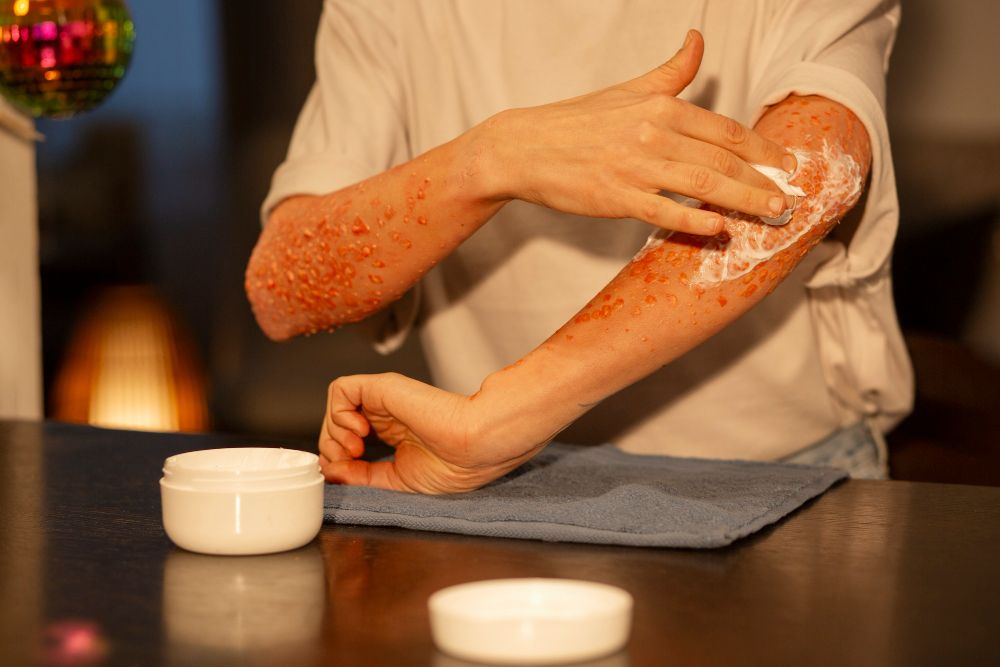
- Painful sores, bumps, or blisters around your private parts.
- Severe pain in the lower stomach, especially during sex.
Why It Is Hard to Stay Safe in Nigeria
If condoms are relatively cheap, why do so many people still catch infections? The barriers in our society are deeply rooted in culture and fear.
- The Stigma of the Chemist: Walking into a local pharmacy to buy condoms can feel like everyone is judging you. If you live in a small community, the person selling the items might know your parents. This lack of privacy makes people take risky chances.
- Trust and Offense: In many Nigerian relationships, asking a partner to use protection is seen as an insult. A partner might say, "Do you think I am dirty?" or "Are you cheating on me?" People often give in to unprotected sex just to keep the peace in the relationship.
- Fear of the Clinic: When symptoms do appear, people delay going to the hospital. They fear nurses will shout at them or preach to them. This delay allows a simple infection to cause permanent damage, such as infertility.
Practical, Low-Cost Ways to Protect Yourself
You do not need to spend a lot of money to practice safe sex. The best protection comes from simple habits and clear communication.
1. Master the Condom
Condoms are the cheapest and most effective way to prevent both pregnancy and STIs. However, they only work if used correctly.
- Check the Date: Always check the expiration date on the wrapper. An expired rubber will tear easily.
- Open Carefully: Never use your teeth to open the wrapper. A tiny tear can ruin the whole protection.
- Pinch the Tip: When rolling it on, pinch the tip to leave room for the fluid. If you do not leave space, it will burst.
2. Avoid Oil-Based Lubricants
This is a very common mistake. Never use Vaseline, body lotion, baby oil, or shea butter (ori) as a lubricant with a condom. Oil destroys the rubber in minutes, causing it to break inside the body. Always use water-based lubricants, which you can easily find at most pharmacies.
3. Have the Hard Conversation
Your health is more important than a few minutes of awkward conversation. Before clothes come off, ask your partner about their health status. A partner who truly cares about you will respect your boundaries to use protection.
4. Go for Mutual Testing
If you are entering a serious, long-term relationship and want to stop using condoms, go to a laboratory together first. Testing for HIV, Hepatitis, and common STIs costs much less than treating a severe infection later. It is the ultimate sign of trust.
Dangerous Myths We Must Stop Believing
We must stop relying on roadside advice for our sexual health. These popular myths are highly dangerous.
- Myth: Pulling out before climax prevents infections.
- Fact: This is completely false. The clear fluid that comes out before climax (pre-cum) carries bacteria and viruses. Skin-to-skin contact alone can also spread infections like Herpes and Syphilis.
- Myth: Washing your private parts with hot water, salt, or lime after sex will kill the infection.
- Fact: This does not work at all. Once the bacteria enter your body, washing the outside does nothing. Using harsh items like lime or strong soaps only burns your delicate skin, making it much easier for infections to enter your bloodstream.
- Myth: Wearing two condoms at the same time gives double protection.
- Fact: Using two condoms creates severe friction between the two rubbers. This friction guarantees that both of them will tear during sex, leaving you with zero protection. Always use just one.
How MyCyberClinics Gives You Total Privacy
If you notice a strange bump or experience a burning sensation, do not buy random antibiotics from a street hawker. You can get professional help without anyone knowing your business.
Step 1: Open the App
You do not need to travel to a clinic or make a phone call. Simply open the MyCyberClinics web app or mobile app on your smartphone. Our platform is strictly digital to ensure maximum privacy.
Step 2: Be Honest with Chioma
You will chat with Chioma, our smart AI assistant. Chioma is a machine. It does not judge you. You can type exactly what you see and feel, no matter how embarrassing it seems.
Step 3: Talk to a Licensed Doctor
Chioma will connect you to a professional doctor. The doctor will review your symptoms. If you need a laboratory test, they will send a digital request to a lab near you. You just walk in, give your sample quietly, and get your results back on the app. The doctor will then prescribe the exact medication you need to cure the infection completely.
Practical Takeaways: What You Can Do Today
- Keep Protection Handy: Always have your own supply of condoms. Do not rely on your partner to bring them.
- Buy the Right Lubricant: Check your room today. If you only have Vaseline or body lotion, visit a pharmacy and buy a water-based lubricant to keep your condoms safe.
- Download the App: Install the MyCyberClinics app on your phone today. Having it ready means you can ask a doctor a private question the moment you feel something is wrong.
- Speak Up: Practice saying "We need to use protection" in front of a mirror. Being confident makes the conversation much easier when the time comes.
Taking care of your sexual health is a sign of maturity. Protect your body, respect your partner, and never let shame stop you from getting the medical care you deserve.