Severe Menstrual Cramps: Is It Normal Pain or Fibroids?
Quick answer
Do you suffer from agonizing period pain and heavy bleeding every month? Learn the difference between normal cramps and fibroids, and how to get safe medical help.
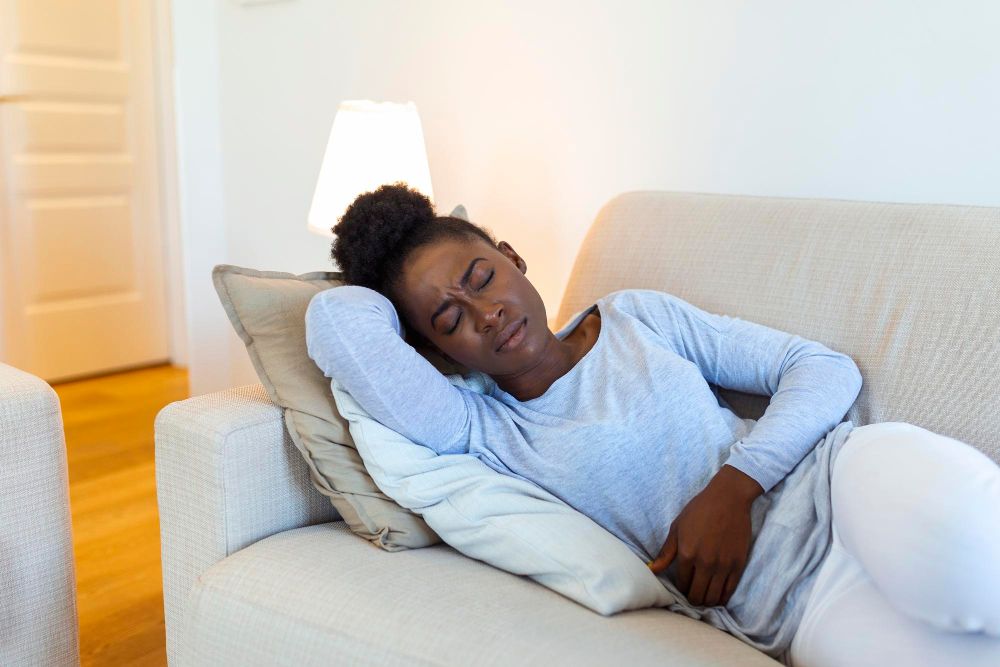
Think about the first two days of your monthly period. For some women, it is just a slight discomfort. But for thousands of Nigerian women, it is a nightmare. They curl up in bed, sweating, unable to go to the market, attend lectures, or care for their families.
In our society, women are often told to just "bear the pain" because being a woman naturally comes with suffering. Many older relatives will say that severe cramps are normal and will magically disappear once you get married or have a baby. Because of this advice, many women endure agonizing pain for years.
However, pain that stops your daily life is never normal. That severe agony, especially if it comes with very heavy bleeding, could be a warning sign of something growing inside you.
This blog post from MyCyberClinics is here to support you. We will explain the clear difference between a normal monthly cramp and the pain caused by fibroids. We will expose the dangerous local myths about curing womb pain and show you how to use our mobile app to consult a professional doctor privately.
The Source of the Pain: Normal Cramps vs. Fibroids
To understand your pain, you need to know what happens inside your body every month. During your period, your womb squeezes tightly to push out blood. This squeezing is what causes normal cramps. Normal cramps usually start a day before your period, peak on the first day, and fade away quickly. A simple painkiller and some rest are usually enough to fix them.
Fibroids, however, are very different. Fibroids are solid, fleshy lumps that grow inside the walls of the womb. They are not cancer, but they can cause massive problems.
[Source] A comprehensive study on women's health indicates that fibroids are extremely common in Black African women, affecting up to 80 percent of women by the time they reach age 50. Because Black women get them more often, they also tend to grow larger and cause more pain. When your womb tries to squeeze out blood during your period, these hard lumps get in the way, causing severe, agonizing pain.
Warning Signs That It Is Not Just a Normal Cramp:
- Heavy Bleeding: You soak through a sanitary pad or tampon in less than two hours. You might also see very large, dark blood clots.
- Long Periods: Your period lasts longer than seven days.
- Pain During Sex: You feel a deep, sharp pain during intimacy.
- A Heavy Belly: Your lower stomach feels heavy, full, or you have to urinate all the time because the lump is pressing on your bladder.
- Low Blood: Because you lose so much blood every month, you constantly feel dizzy, tired, and weak. This is a sign of anemia.
Why Nigerian Women Suffer in Silence
Getting proper care for reproductive health is very difficult in our communities. Women face heavy cultural and financial barriers.
- Fear of Losing the Womb: The biggest fear for any Nigerian woman is being told she cannot have children. Many women believe that if they go to the hospital for fibroids, the doctor will immediately cut out their entire womb. Because of this fear, they avoid the hospital completely.
- The "Agbo" Solution: Instead of seeing a doctor, women turn to hawkers selling local gin and herbal mixtures (agbo). They buy bottles of harsh roots, believing the bitterness will "melt" or "flush out" the fibroids.
- The Stigma of Weakness: A woman who stays in bed every month is often called lazy or weak by her peers. To avoid this shame, women swallow dangerous amounts of painkillers and force themselves to work through the agony.
Dangerous Myths You Must Stop Believing
We need to protect our bodies by rejecting false information. These common myths do more harm than good.
- Myth: Drinking hot gin and bitter herbs will melt the fibroids away.
- Fact: This is medically impossible. Fibroids are solid lumps of muscle tissue. Drinking hot alcohol will only damage your liver and severely irritate your stomach, causing an ulcer. It will never melt a lump in your womb.
- Myth: Getting pregnant will cure your severe period pain.
- Fact: While pregnancy temporarily stops your period, it does not cure fibroids. In fact, the hormones during pregnancy can sometimes make fibroids grow even bigger.
- Myth: If you have fibroids, you must do open surgery immediately.
- Fact: Not all fibroids need surgery. Many small fibroids can be managed safely with special medications prescribed by a doctor to control the bleeding and shrink the lumps.
Safe Ways to Manage the Pain at Home
If you are waiting to see a doctor, you can use these safe, low cost methods to calm the pain at home.
1. Use Gentle Heat
Fill a plastic bottle with warm water. Wrap the bottle in a towel and place it on your lower belly. The gentle heat helps relax the tight muscles of your womb and reduces the sharp squeezing pain.
2. Drink Ginger Tea
Ginger is a natural anti-inflammatory root. Boiling fresh ginger in water and drinking it warm can help calm the pain naturally without damaging your stomach.
3. Avoid Sugar and Caffeine
During your period, try to avoid sugary soft drinks, coffee, and very salty foods. These items make your body hold onto water, which makes you feel bloated and makes the cramps feel much worse.
Finding Private Help with MyCyberClinics
You do not need to sit in a crowded hospital waiting room to get answers about your private health. MyCyberClinics gives you a safe, confidential space.
Step 1: Open the Mobile App
Do not buy random roots from the street. Open the MyCyberClinics mobile app on your smartphone. We do not use phone calls, meaning your consultation is entirely silent and private.
Step 2: Chat with Your Smart Health Assistant
You will be greeted by Chioma, our Smart Health Assistant. Chioma will ask you specific questions about your monthly cycle.
- Tell her how many days your period lasts.
- Tell her if you are passing large blood clots or feeling dizzy.
- Chioma will analyze your answers instantly to see if your symptoms match fibroids or other conditions.
Step 3: Connect with a Licensed Doctor
Chioma will securely connect you to a professional doctor. The doctor will review your symptoms with empathy. They will write a digital referral for a simple Pelvic Ultrasound Scan. You can take this referral to an affordable laboratory near your home. Once the scan shows exactly what is inside your womb, the doctor on the app will guide you on the best medication or treatment plan to stop the bleeding and the pain.
Practical Takeaways: What You Can Do Today
- Track Your Bleeding: Next month, write down how many pads you use each day. If you use more than five or six soaked pads a day, you need medical attention.
- Stop the Herbal Flushing: Throw away any bottles of mixed roots or gin you bought to flush your womb. Protect your liver.
- Try a Warm Compress: Get a hot water bottle ready before your next period begins so you can use heat therapy early.
- Download the App: Install the MyCyberClinics app on your phone today. Having our Smart Health Assistant ready gives you the power to ask a doctor private questions without fear or shame.
Your period is a natural part of life, but agonizing pain is not. Listen to your body, reject harmful myths, and seek licensed medical advice to heal properly.