Why Is My Blood Pressure High? Common Causes and What You Can Do About It
Quick answer
Were you shocked to find out your blood pressure is high even though you feel perfectly healthy? High blood pressure often develops quietly without any pain or warning signs, earning it the title of a "silent killer". From hidden sodium in everyday processed foods to the roles of chronic stress and genetics, discover the common causes of hypertension, how it impacts your long-term health, and when you should consult a doctor.
Why Is My Blood Pressure High? Common Causes and What You Can Do About It
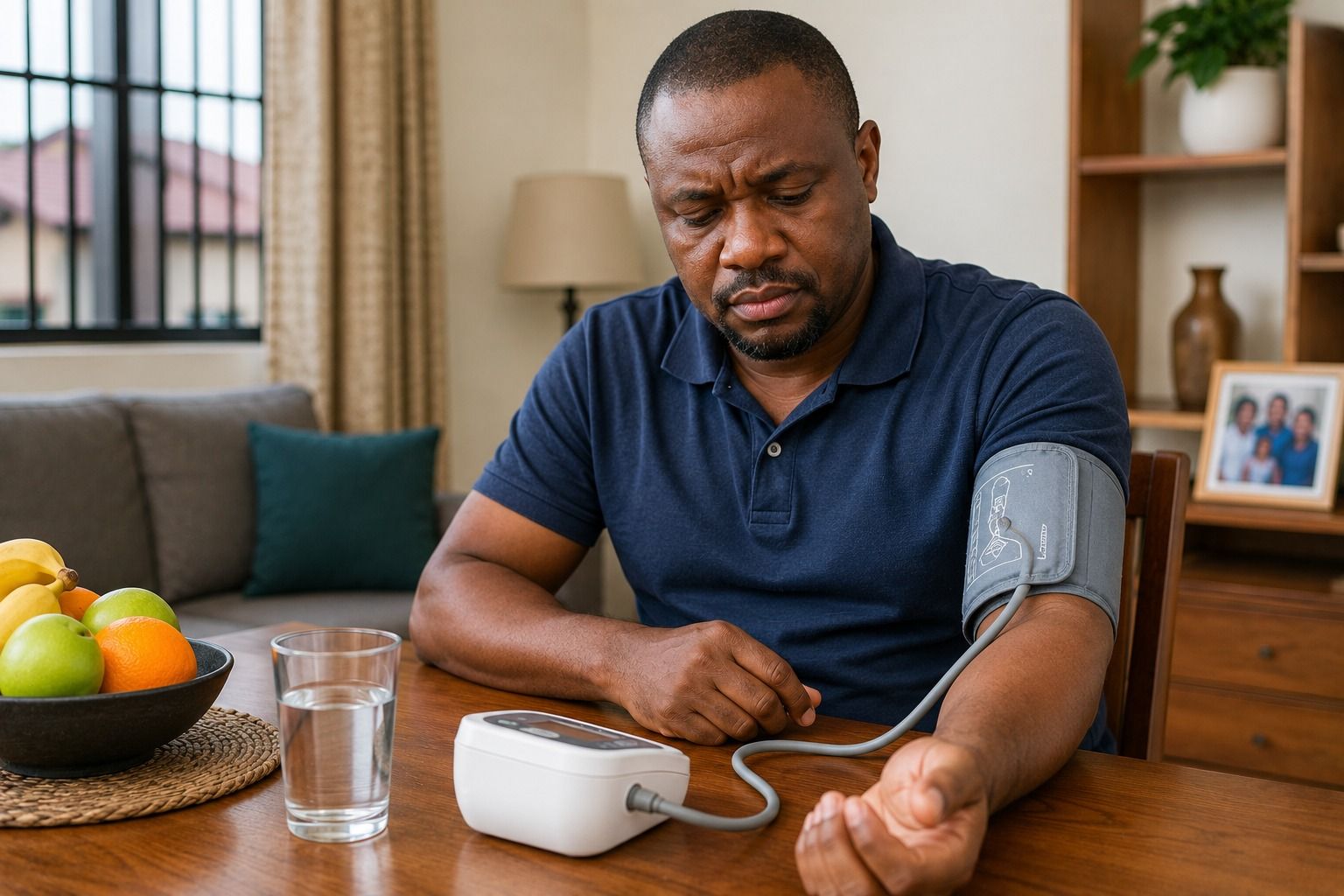
Many people are shocked when a doctor tells them they have high blood pressure. You may feel completely fine, you may not have any pain, and you may even believe you are healthy. That is what makes high blood pressure so dangerous.
Unlike many health conditions, high blood pressure often develops quietly. Some people live with it for years without knowing it. During that time, it can slowly damage the heart, brain, kidneys, and blood vessels. This is why high blood pressure is often called a "silent killer".
What Exactly Is Blood Pressure?
Blood pressure is the force of blood pushing against the walls of your blood vessels. Your body needs this pressure to move blood, oxygen, and nutrients to every organ.
However, when that pressure stays too high for a long time, it puts extra strain on your blood vessels and organs. Think of it like water flowing through a pipe. If the pressure becomes too high, the pipe experiences more wear and tear over time. The same thing happens inside the body.
Why Do Many People Have High Blood Pressure?
There is usually no single cause. In many cases, several factors work together over time.
For some people, family history plays a major role. If your parents or close relatives have high blood pressure, your risk may be higher. For others, lifestyle habits contribute significantly. Eating too much salt, gaining excess weight, exercising very little, smoking, or drinking large amounts of alcohol can all increase blood pressure. Stress can also play a role, especially when it becomes a constant part of daily life.
Can Too Much Salt Raise Blood Pressure?
Yes. Salt contains sodium, which affects how your body manages fluids. When you consume too much salt, your body may retain extra water. This increases the amount of fluid flowing through your blood vessels, and as a result, blood pressure can rise.
Many people think only table salt is the problem. In reality, sodium is often hidden in processed foods, seasoning cubes, instant noodles, snacks, fast food, and packaged meals. Over time, excess sodium intake can contribute to long-term hypertension.
Can Stress Cause High Blood Pressure?
Stress does not always cause permanent hypertension, but it can contribute to higher blood pressure levels. When you are stressed, your body releases hormones that temporarily increase your heart rate and blood pressure.
If stress becomes constant, it may affect sleep, eating habits, physical activity, and overall health. Many people under long-term stress also develop unhealthy coping habits such as overeating, smoking, or excessive alcohol use, which further increase the risk.
Can Being Overweight Raise Blood Pressure?
Yes. When you carry excess body weight, your heart has to work harder to pump blood throughout your body. This extra workload places additional strain on your blood vessels.
Even a modest amount of weight loss can help improve blood pressure levels in some people. This is one reason doctors often recommend combining healthy eating with regular physical activity.
Why Do Some Healthy-Looking People Have High Blood Pressure?
This surprises many people, but you do not have to look sick to have hypertension. Some people exercise regularly, maintain a healthy weight, and still develop high blood pressure because of genetics, age, kidney problems, hormonal conditions, or other factors.
That is why regular blood pressure checks are important, even if you feel well. The only way to know your blood pressure is to measure it.
What Are the Warning Signs of High Blood Pressure?
One of the biggest misconceptions is that high blood pressure always causes symptoms. In many cases, it does not.
Some people may experience headaches, dizziness, blurred vision, or shortness of breath, but many people have no symptoms at all. This is why relying on symptoms alone can be dangerous. Regular screening is often the only way to detect hypertension early.
Why Is High Blood Pressure Dangerous?
The real danger comes from what happens over time. When blood pressure remains high for months or years, it gradually damages important organs. It increases the risk of stroke, heart attack, heart failure, kidney disease, and vision problems.
Many people only discover they have hypertension after a serious complication occurs. The good news is that early detection and treatment can significantly reduce these risks.
Can High Blood Pressure Be Treated?
Yes. High blood pressure can often be controlled successfully. Treatment may involve lifestyle changes, medication, or a combination of both.
Your doctor may recommend reducing salt intake, becoming more physically active, maintaining a healthy weight, limiting alcohol consumption, and managing stress. Some people also require medication to keep their blood pressure within a healthy range. The best treatment plan depends on your individual situation.
What Can I Do Today to Protect My Blood Pressure?
The first step is knowing your numbers. If you have not checked your blood pressure recently, consider doing so.
You should also pay attention to your diet, physical activity, sleep, stress levels, and overall health habits. Small improvements made consistently over time can have a significant impact. Most importantly, do not wait until symptoms appear before taking action.
When Should I See a Doctor?
You should speak with a doctor if:
- You have repeatedly recorded high blood pressure readings.
- You have a family history of hypertension.
- You experience headaches, dizziness, blurred vision, chest pain, or shortness of breath.
- You have been diagnosed with hypertension but struggle to keep it under control.
Early medical advice can help prevent long-term complications.
Frequently Asked Questions
Can stress cause high blood pressure? Stress can temporarily raise blood pressure and may contribute to long-term hypertension when combined with other risk factors.
Can high blood pressure go away on its own? In some cases, lifestyle changes may significantly improve blood pressure. However, many people require ongoing monitoring and treatment.
Does high blood pressure always cause symptoms? No. Many people have no symptoms, which is why regular blood pressure checks are important.
Can young people have high blood pressure? Yes. Although risk increases with age, younger adults can also develop hypertension.
Can drinking alcohol raise blood pressure? Yes. Excessive alcohol consumption can contribute to high blood pressure.
How often should I check my blood pressure? The frequency depends on your age, risk factors, and medical history. Your doctor can advise you based on your situation.
What foods can raise blood pressure? Foods high in salt and heavily processed foods can contribute to elevated blood pressure.
Can exercise lower blood pressure? Yes. Regular physical activity can help improve blood pressure control and overall heart health.
Related Articles (Internal Links)
- Why Am I Always Tired?
- What Causes Chest Pain?
- What Are the Early Signs of Diabetes?
- Why Do I Feel Dizzy When I Stand Up?
- How to Lower Blood Pressure Naturally
Need answers from a licensed doctor?
High blood pressure often develops without warning signs. If you have concerns about your blood pressure or want professional advice on protecting your heart health, do not wait until complications develop.
Consult a licensed doctor through MyCyber Clinics from anywhere in Nigeria and receive personalized guidance on managing your blood pressure and overall health.
👉 Book your consultation today.